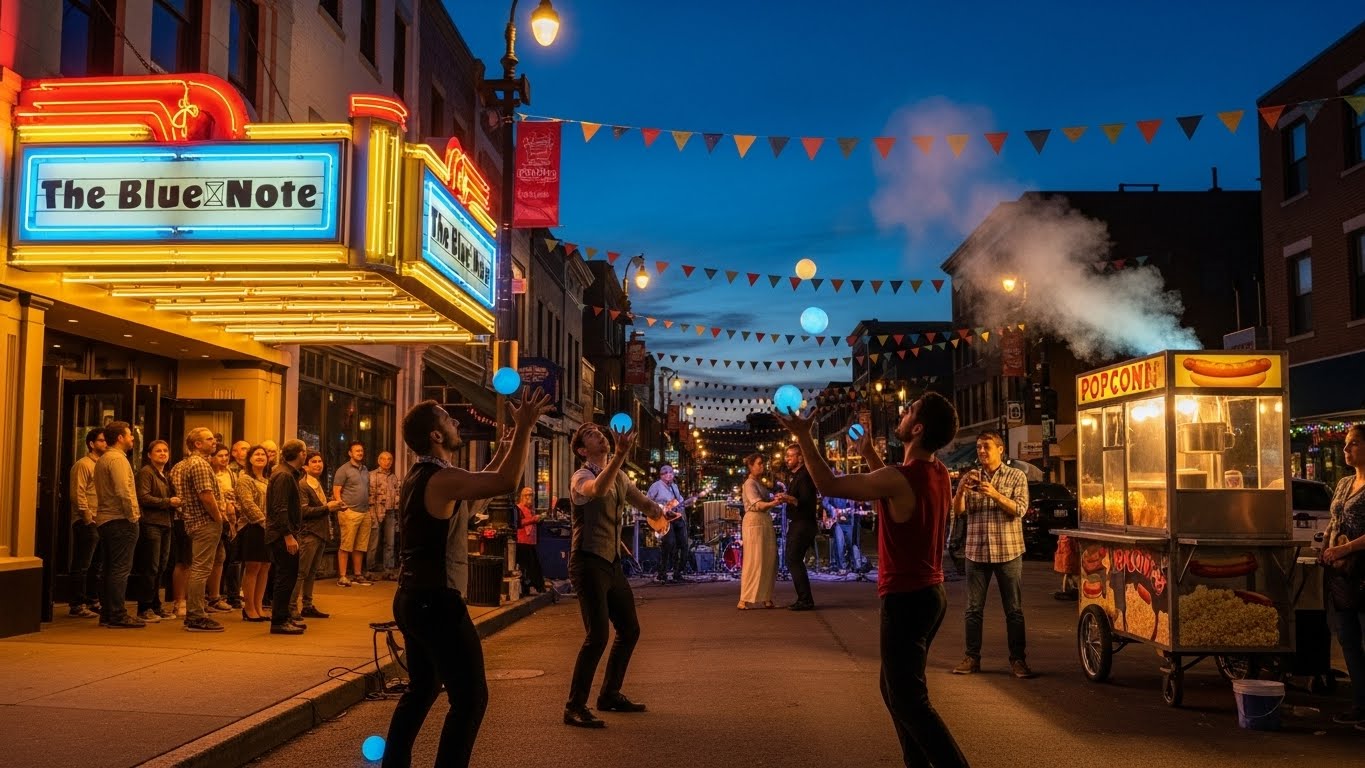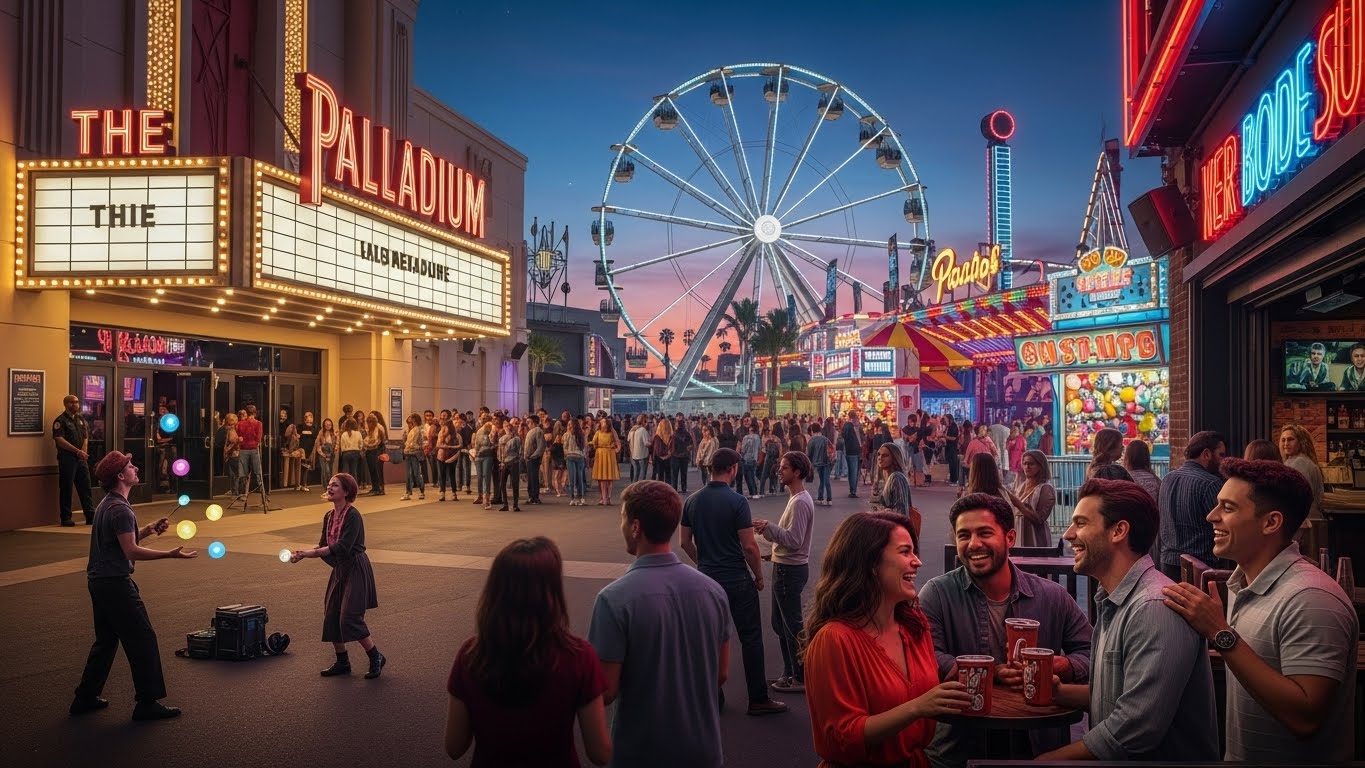
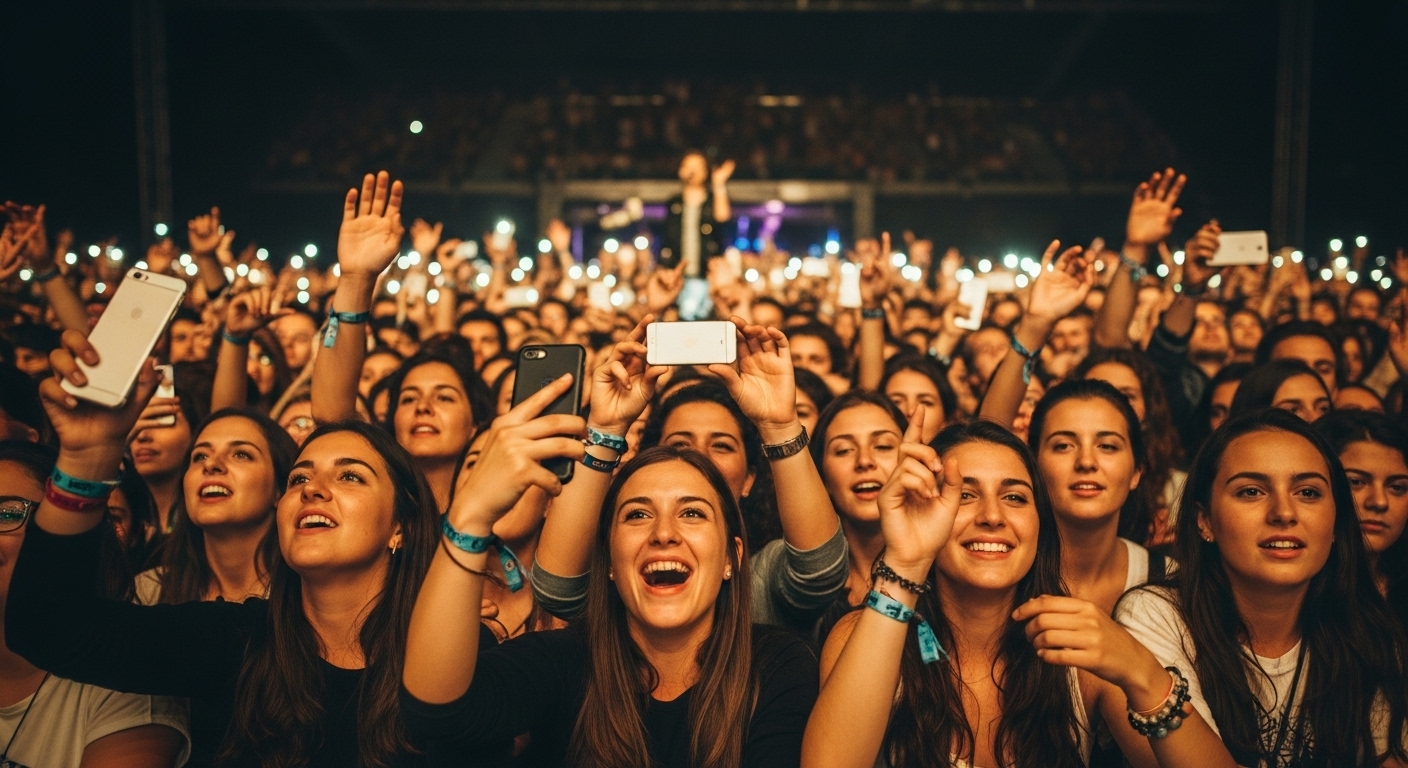
Entertainment is one of humanity’s oldest and most enduring passions. From the flickering shadows of campfire storytelling to today’s dazzling world of streaming, gaming, and global pop culture, entertainment has always been more than mere distraction — it’s how we connect, dream, and make sense of life. It evolves with us, reflecting our changing values, technologies, and ambitions. This post explores the vast landscape of entertainment — its origins, its modern forms, and how it shapes who we are today.
The Roots of Entertainment: Where It All Began
Long before screens and stages, humans sought ways to share emotions and ideas through performance. Ancient civilizations had their own versions of entertainment — rituals, music, dance, and oral storytelling. In Egypt, elaborate ceremonies honored gods with dramatic reenactments. In Greece, theatre became a cultural cornerstone where tragedy and comedy explored moral questions and human folly.
These early forms of entertainment were deeply communal. The audience wasn’t just a passive observer; they were participants in a collective experience. The myths, dances, and songs carried lessons, humor, and hope. Even the ancient Romans, known for their gladiatorial spectacles, viewed entertainment as a reflection of societal power and order — though often through violent and extravagant means.
Over time, these performances evolved into structured art forms. Theatre flourished in Europe, becoming an arena for satire, romance, and social commentary. Puppetry, acrobatics, and folk tales emerged in Asia, carrying regional flavors and traditions. No matter the geography, entertainment was the universal language of emotion.
The Written Word: Entertainment Takes Form
When humans learned to write, stories could travel across generations without the frailty of memory. The written word transformed entertainment from an event into an artifact. Ancient epics like The Odyssey and The Mahabharata carried adventure and wisdom through centuries, allowing readers to embark on journeys of imagination from the comfort of their homes.
Books democratized storytelling. A single author could entertain countless readers across time and space. The invention of the printing press in the 15th century accelerated this transformation, giving rise to popular fiction, satire, and serialized tales that shaped modern entertainment.
By the 19th century, novels became the new theatre. Readers were enthralled by the characters of Dickens, the romance of Austen, and the gothic imagination of Mary Shelley. The written word became not only entertainment but also a mirror reflecting the complexities of society.
Music: The Universal Pulse of Joy and Emotion
If there is one art form that unites all humans, it’s music. From tribal drums to symphony orchestras, from street musicians to global pop icons, music captures emotions that words often can’t.
In the early days, music was tied to daily life — work songs, religious hymns, and love ballads. It was both celebration and solace. As instruments evolved, so did genres. The 18th and 19th centuries saw the rise of classical compositions, where artists like Mozart and Beethoven turned sound into storytelling.
Then came the 20th century, and music exploded into countless styles — jazz, rock, pop, hip-hop, reggae, country, electronic, and beyond. Each genre carried the spirit of its time, from the rebellious beats of rock and roll to the poetic rhythms of rap.
Today, music is more accessible than ever. Anyone with a smartphone can explore millions of songs across cultures. The industry has become global — a Korean pop band can break records in the U.S., and African rhythms can dominate dance floors in Europe. Music is no longer local; it’s planetary.
Film and Television: The New Storytellers
When motion pictures first flickered to life in the late 1800s, few could have imagined how they would reshape entertainment forever. Early silent films were short, simple, and purely visual — but they captured audiences’ hearts instantly. Soon, the addition of sound, color, and special effects turned cinema into the ultimate storytelling machine.
The golden age of Hollywood in the 20th century introduced stars, genres, and the birth of cinematic culture. Films became a universal language — love, laughter, and adventure translated across borders. From sweeping epics like Ben-Hur to modern blockbusters like Avatar, movies evolved into immersive worlds where anything was possible.
Television followed, bringing entertainment directly into homes. Families gathered around the TV to laugh, cry, and learn together. Sitcoms, news, dramas, and reality shows became cultural touchstones. The small screen gave rise to icons who felt like part of our daily lives.
In recent decades, streaming platforms have changed everything again. We no longer wait for weekly episodes or cinema schedules; we watch what we want, when we want. Series like Stranger Things, The Crown, or Game of Thrones have blurred the line between film and television, offering cinematic quality in serialized storytelling. Entertainment has become deeply personal — tailored to each viewer’s taste.
The Digital Revolution: A New Age of Participation
The internet has redefined what entertainment means. Once a one-way experience, it’s now interactive, global, and immediate. Social media, gaming, and user-generated content have turned audiences into creators.
YouTube, TikTok, and other platforms have democratized fame. Anyone with creativity and a phone can reach millions. The idea of “celebrity” has expanded — from movie stars to influencers, from musicians to meme-makers. Entertainment is no longer controlled by studios; it’s powered by communities.
Gaming, too, has evolved from simple arcade fun into a massive industry rivaling film and music combined. Modern games offer cinematic graphics, emotional storytelling, and online interaction that connect players across continents. For many, games are not just entertainment but identity — a shared space where friendships form and adventures unfold.
Virtual and augmented reality are pushing this even further. The line between real and digital worlds continues to blur, promising a future where we don’t just watch stories — we live inside them.
Comedy and Humor: The Medicine of Entertainment
Amid all the grandeur of modern media, comedy remains one of the purest forms of entertainment. Laughter has always been humanity’s way of coping with chaos. From Shakespeare’s witty fools to stand-up comedians today, humor cuts across barriers of language, class, and culture.
In the digital era, comedy thrives in every corner — sketches, memes, parody videos, and satirical news shows. It entertains, yes, but also critiques. Through humor, we expose hypocrisy, challenge authority, and reflect on absurdity.
The beauty of comedy lies in its honesty. It reminds us not to take life too seriously and offers relief in times of tension. Even as entertainment grows more complex and technological, laughter keeps it human.
The Power of Performance: Theatre, Dance, and Live Art
While digital screens dominate, live performance remains irreplaceable. Theatre, dance, and concerts offer a shared energy that can’t be replicated online. The thrill of watching actors perform or dancers move in real time creates a connection between artist and audience that feels electric.
Theatre continues to evolve, blending traditional storytelling with experimental forms. Musicals like Hamilton and The Lion King have redefined what stage entertainment can be. Similarly, contemporary dance and performance art push boundaries of expression, reminding us that entertainment is not just about pleasure — it’s about experiencing emotion together.
Festivals and concerts have also become major cultural events, uniting people around music, art, and creativity. Whether it’s a small local show or a massive global event, live entertainment remains proof that humans crave collective joy.
The Globalization of Entertainment
Thanks to technology, entertainment has broken all geographical boundaries. A Bollywood film can become a hit in Canada. A Nigerian song can trend in Tokyo. A Spanish-language series can captivate audiences in the U.S.
Streaming services and social media have made content borderless. Subtitles, dubbing, and cultural exchange have opened new worlds for audiences. We now celebrate global diversity in entertainment — not as novelty, but as normal.
This cross-cultural flow enriches creativity. Artists collaborate across languages, blending genres and traditions. Entertainment has become a global conversation — one where everyone has a voice and story to share.
The Psychology of Entertainment: Why We Love It
At its core, entertainment satisfies deep human needs. It provides escape, inspiration, and empathy. We watch, read, and listen not just for amusement but to feel something real.
Psychologists suggest that entertainment acts as emotional regulation — a way to relieve stress and express feelings safely. Comedy helps us laugh through pain. Tragedy allows us to process loss. Action excites us; romance soothes us.
It also connects us socially. Shared entertainment — whether a concert, film night, or online fandom — creates belonging. We bond over favorite characters, debate endings, and celebrate releases. In a world often divided, entertainment unites through shared experience.
The Business Behind the Fun
Behind every laugh, melody, or screen moment lies a massive industry. Entertainment today is one of the world’s largest economic forces, generating billions in revenue across film, music, gaming, and live events.
Studios, streaming platforms, record labels, and talent agencies compete for attention in an overcrowded market. Algorithms now shape what we watch and hear. Data drives creativity, sometimes for better, sometimes for worse.
The shift to digital has also changed careers in entertainment. Independent creators can thrive without traditional gatekeepers, but competition is fierce. Artists must balance art with strategy — creating not just for expression but for engagement.
Despite these pressures, the business side remains vital. It funds creativity, supports innovation, and ensures that entertainment reaches audiences worldwide.
Challenges and Controversies in Modern Entertainment
Like any industry, entertainment has its darker sides. Issues like representation, exploitation, and misinformation often make headlines.
Hollywood has faced criticism for lack of diversity and unrealistic portrayals. The rise of influencer culture brings questions about authenticity and mental health. Social media fame can be fleeting, leaving creators under immense pressure to perform constantly.
The gaming world, too, struggles with toxicity and addiction concerns. Even music, once purely expressive, now faces challenges from piracy and digital manipulation.
Yet, these debates also show progress. Conversations about inclusion, ethics, and responsibility are reshaping the entertainment landscape. Audiences are more aware, demanding content that reflects reality with integrity.
The Future of Entertainment: Where Imagination Meets Innovation
As technology advances, so does the art of entertaining. Artificial intelligence, virtual reality, and immersive storytelling are reshaping the future of fun.
Imagine watching a film that adapts to your mood or playing a game where your expressions alter the storyline. AI-generated music, virtual concerts, and holographic performances are already becoming reality.
But beyond technology, the future of entertainment depends on creativity. Audiences crave authenticity, meaning, and emotional truth. The next generation of entertainers will blend art and tech, tradition and innovation, to create experiences that feel both personal and universal.
Conclusion: Entertainment as the Heartbeat of Humanity
Entertainment isn’t just leisure — it’s a vital part of what makes us human. It teaches, heals, and inspires. From cave paintings to virtual worlds, our forms of amusement have always reflected our hunger for meaning and connection.
As we move deeper into the digital age, entertainment will continue to evolve, but its purpose remains the same: to make us feel alive. Whether it’s a song that makes you dance, a film that moves you to tears, or a story that stays with you forever, entertainment is our shared heartbeat — the rhythm of imagination that keeps the world spinning.