Entertainment has always been an essential part of human life. From ancient storytelling around the fire to the multi-billion-dollar streaming platforms we use today, the way we entertain ourselves has evolved dramatically. What was once a simple form of amusement has transformed into a complex, technology-driven, and highly immersive experience. This article explores the journey of entertainment, tracing its origins, examining the current trends, and looking at the future possibilities.
The Roots of Entertainment
Entertainment has existed since the dawn of human civilization. Early humans entertained themselves through storytelling, music, dance, and visual arts. Cave paintings were more than just decorations—they were a form of storytelling, conveying experiences, beliefs, and events. Stories were passed down orally, keeping communities connected and providing a shared cultural identity.
As societies developed, entertainment became more structured. Ancient civilizations such as the Greeks and Romans introduced theater as a popular form of amusement. Plays and performances were held in amphitheaters, offering audiences a chance to witness drama, comedy, and history unfold live. Similarly, music played a significant role in cultural ceremonies and social gatherings, serving both recreational and ceremonial purposes.
The Birth of Modern Entertainment
The invention of the printing press in the 15th century marked the beginning of a new era in entertainment. Books, pamphlets, and newspapers became widely accessible, allowing people to explore stories and ideas from the comfort of their homes. Literature became a popular pastime, inspiring imagination and intellectual growth.
The 19th and 20th centuries witnessed another monumental shift: the rise of motion pictures. Silent films emerged in the early 1900s, captivating audiences with their visual storytelling. With the introduction of sound in the late 1920s, movies became more immersive than ever. Studios such as Hollywood turned filmmaking into a global phenomenon, creating iconic stars and unforgettable stories that continue to influence pop culture today.
Music: From Vinyl to Streaming
Music has always been a powerful medium of entertainment. Its evolution mirrors the changes in technology and societal trends. In the early 20th century, gramophones allowed people to listen to music at home for the first time. Radio further revolutionized music, bringing live performances and popular songs directly into households across the world.
The mid-20th century saw the rise of rock and roll, jazz, and pop music, transforming music from a pastime into a lifestyle. Vinyl records, cassettes, and CDs allowed fans to carry their favorite tunes wherever they went. The digital revolution of the late 20th and early 21st centuries transformed the music industry yet again. MP3s, digital downloads, and streaming platforms have made music instantly accessible to millions, creating a global music culture that transcends borders.
The Gaming Revolution
Video games have become one of the most significant forms of entertainment in the modern era. What began as simple arcade games in the 1970s has transformed into highly sophisticated experiences with realistic graphics, complex narratives, and online multiplayer capabilities. Gaming has grown into a global industry worth billions, attracting players of all ages.
The rise of home consoles, such as the Nintendo Entertainment System, PlayStation, and Xbox, brought gaming into living rooms worldwide. Mobile gaming and cloud-based gaming have further expanded the reach, making entertainment more accessible than ever. Esports have taken gaming to a competitive level, turning skilled players into global celebrities and creating a whole new entertainment ecosystem.
Streaming: Entertainment On Demand
Perhaps the most revolutionary change in entertainment today is the shift to streaming. Platforms offering movies, TV shows, and original content have disrupted traditional media consumption. Streaming services allow users to watch what they want, when they want, without the constraints of scheduled programming.
This on-demand model has reshaped the entertainment landscape, influencing not only how we consume content but also how it is produced. Binge-watching has become a cultural phenomenon, and original content from streaming platforms has received critical acclaim, rivaling traditional films and TV shows. The accessibility and variety offered by streaming have made it a dominant force in global entertainment.
Live Performances: The Enduring Magic
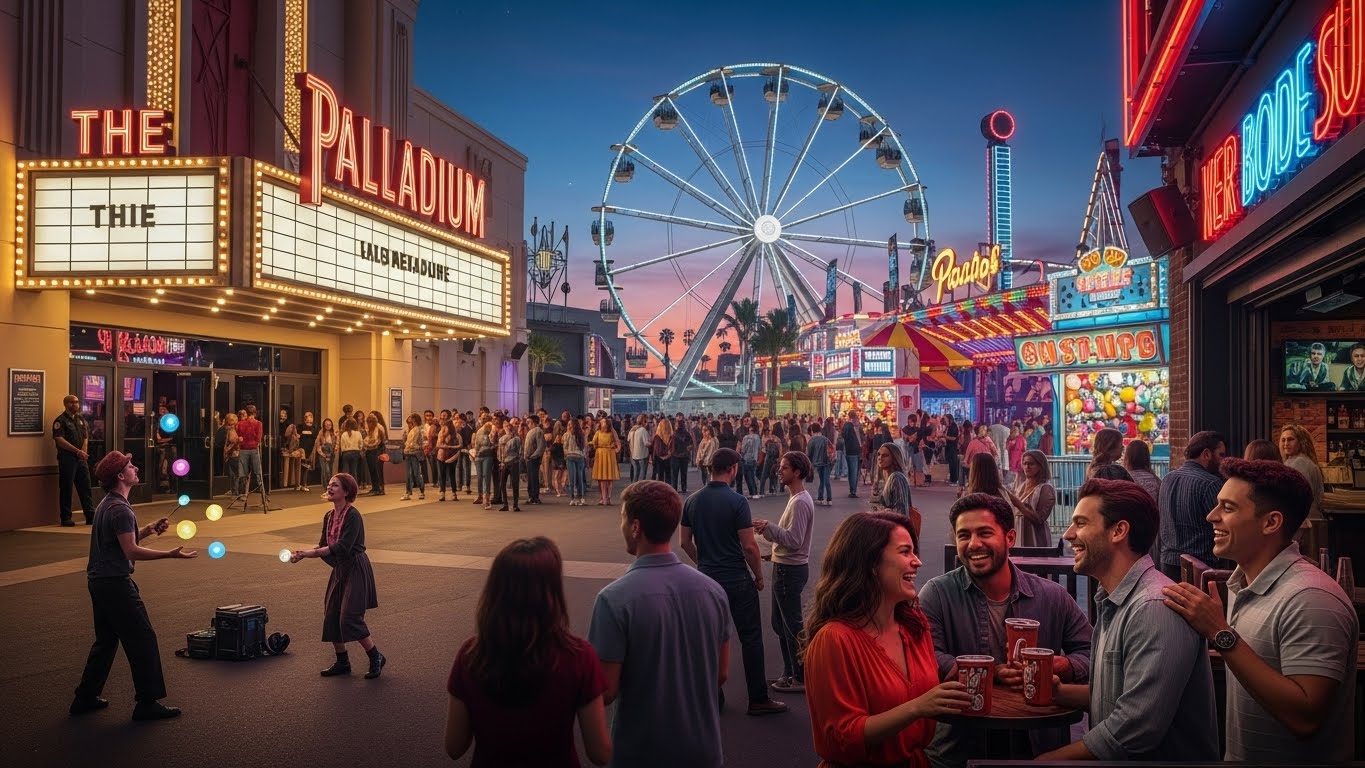
Despite technological advances, live performances remain a cornerstone of entertainment. Concerts, theater productions, and sports events offer experiences that cannot be replicated digitally. The energy of a live audience, the anticipation before a show, and the shared emotional journey are irreplaceable.
Even with the rise of digital platforms, live entertainment has adapted. Concerts are now streamed to reach audiences worldwide, while theater productions often include virtual elements to engage remote viewers. Sports have integrated technology to enhance fan experiences, from instant replays to interactive apps. The core of live entertainment, however, remains the human connection and shared experience.
The Role of Technology in Entertainment
Technology has been the driving force behind the evolution of entertainment. From the development of film cameras and radio transmitters to virtual reality and artificial intelligence, each innovation has expanded the possibilities of amusement. Today, technologies like augmented reality, VR, and AI-generated content are pushing the boundaries even further, offering immersive experiences that were once the stuff of science fiction.
AI, in particular, is transforming content creation, from composing music and writing scripts to designing virtual worlds. Virtual reality is creating fully immersive experiences where users can explore fantastical environments or attend live concerts without leaving their homes. The line between reality and entertainment is becoming increasingly blurred, opening up new avenues for creative expression.
Entertainment as a Reflection of Society
Entertainment is not just about leisure; it reflects society’s values, concerns, and aspirations. Movies, music, and games often mirror social issues, political climates, and cultural shifts. They can inspire, challenge, and provoke thought, influencing how we perceive the world and ourselves.
For example, science fiction films often explore ethical dilemmas related to technology, while music genres like hip-hop and punk have served as platforms for social commentary. Video games can immerse players in narratives that explore identity, morality, and decision-making. Entertainment is a powerful mirror of human experience, reflecting both our triumphs and our struggles.
The Future of Entertainment
The future of entertainment promises even more innovation and immersion. As technology continues to advance, we can expect more personalized and interactive experiences. AI-driven content could create stories and experiences tailored to individual preferences. Virtual reality may allow fully immersive worlds where users can interact with characters and environments in real time. Holographic performances, interactive films, and AI-generated music may become commonplace, blurring the lines between creator and audience.
Social and cultural trends will also shape entertainment. Audiences are increasingly seeking inclusive and diverse content, reflecting a broader range of experiences and voices. The integration of sustainability and ethical considerations may influence production and consumption habits. As the world changes, entertainment will continue to evolve, remaining a vital part of human life.
Conclusion
The evolution of entertainment is a testament to human creativity, technological innovation, and the enduring need for connection and amusement. From ancient storytelling to modern streaming, entertainment has continuously adapted to societal changes, technological advancements, and cultural shifts. It remains a reflection of who we are, providing joy, inspiration, and insight into the human experience.
As we look to the future, the possibilities are endless. Entertainment will continue to innovate, offering new ways to engage, connect, and immerse ourselves. While the mediums may change, the essence of entertainment—the desire to experience, explore, and enjoy—will remain timeless. Whether through the magic of a live performance, the thrill of a video game, or the convenience of on-demand streaming, entertainment will always be an essential part of our lives.