Entertainment is a cornerstone of human civilization. From the earliest days of storytelling around fire pits to today’s global streaming platforms, entertainment has evolved, yet its essence remains the same: to captivate, inspire, and connect people. It has the remarkable ability to transport us to different worlds, evoke emotions, and reflect society in ways that few other mediums can. In this blog, we’ll explore the diverse facets of entertainment, its transformation over the decades, and the trends shaping its future.
The Historical Roots of Entertainment
Entertainment has always been a reflection of human culture. In ancient civilizations, entertainment often took the form of storytelling, music, dance, and theater. The Greeks and Romans, for instance, were known for their elaborate theatrical performances, which combined drama, music, and even political commentary. These early forms of entertainment were not merely recreational—they were a communal experience that brought people together.
As time progressed, storytelling remained central to entertainment, evolving into literature and poetry. Epic tales like The Odyssey or The Mahabharata transported audiences to far-off lands, sparking imagination and philosophical reflection. Even in these early forms, entertainment was more than amusement; it was a means of preserving culture and passing down wisdom through generations.
The Golden Age of Cinema
The 20th century marked a revolutionary period in entertainment with the advent of cinema. Film introduced a new dimension to storytelling, combining visual artistry, music, and performance to create immersive experiences. The silent film era, with icons like Charlie Chaplin and Buster Keaton, showcased humor and emotion without words, proving that visual storytelling could transcend language and cultural barriers.
The introduction of sound in films in the late 1920s transformed cinema completely. Musicals and talkies brought new excitement to audiences. By the 1950s, Hollywood had solidified its position as the global epicenter of cinema. Iconic movies from this period not only entertained but also influenced societal trends, fashion, and cultural norms. International cinema, from Italian neorealism to Japanese cinema by directors like Akira Kurosawa, expanded the scope of storytelling and artistic expression.
The Rise of Television: Entertainment at Home
While cinema dominated the early 20th century, television emerged as a household staple in the 1950s and 1960s, bringing entertainment directly into living rooms. Television changed the dynamics of content consumption. Families could now gather around a screen weekly to watch their favorite shows, creating a shared cultural experience unlike anything before.
Television also democratized entertainment, making it more accessible to the masses. From sitcoms and dramas to reality shows and news, television offered variety, catering to diverse tastes. Iconic shows like I Love Lucy, The Twilight Zone, and Friends have left lasting impressions on popular culture and continue to influence modern entertainment.
Music: The Universal Language
Music has always been a powerful form of entertainment, capable of expressing emotions that words alone cannot capture. From classical symphonies to modern pop hits, music transcends borders and generations. The evolution of music is a testament to the creativity of human expression. Jazz, rock ‘n’ roll, hip-hop, and electronic dance music each emerged as distinct genres, reflecting the times and the communities from which they originated.
The music industry has also been shaped by technological innovations. The phonograph, radio, cassette tapes, CDs, and now streaming services have transformed how audiences access and enjoy music. Live concerts and music festivals continue to offer unparalleled experiences, allowing fans to connect with artists in a shared, electrifying environment.
Gaming: Interactive Entertainment Revolution
Video games represent one of the most dynamic forms of modern entertainment. Unlike passive forms such as films or television, gaming immerses players in interactive worlds where they can influence outcomes and explore creativity. From early arcade classics like Pac-Man and Space Invaders to modern open-world adventures like The Legend of Zelda or Red Dead Redemption, video games have grown into a multi-billion-dollar industry.
The appeal of gaming extends beyond entertainment. It has social, competitive, and even educational dimensions. Online multiplayer games foster global communities, while virtual reality (VR) and augmented reality (AR) are redefining immersive experiences. Gaming’s blend of storytelling, strategy, and social interaction has made it one of the most influential forms of entertainment in the 21st century.
Streaming Revolution: On-Demand Entertainment
The rise of digital platforms has dramatically transformed how entertainment is consumed. Streaming services have replaced traditional broadcast schedules, allowing viewers to watch what they want, when they want. Platforms like Netflix, Amazon Prime, and Disney+ have invested heavily in original content, bringing movies, series, and documentaries directly to homes worldwide.
This shift has also influenced content creation. With more freedom to experiment, creators are exploring diverse genres, narratives, and production styles. Binge-watching has become a cultural phenomenon, changing the way stories are structured and consumed. Moreover, streaming services have expanded access to international content, allowing audiences to enjoy global entertainment like never before.
The Power of Celebrity Culture
Entertainment is inseparable from celebrity culture. Actors, musicians, and influencers not only entertain but also shape fashion, opinions, and lifestyles. Celebrities have become cultural icons whose actions resonate far beyond their performances. Social media platforms have amplified this phenomenon, offering fans unprecedented access to their favorite stars.
Celebrity influence is not always positive. Public scrutiny, pressure to maintain images, and the blurring line between personal and professional lives create challenges. Yet, the fascination with celebrities underscores a fundamental aspect of human entertainment: the desire to connect, emulate, and celebrate extraordinary talent.
Live Entertainment: Experiences That Transcend Screens
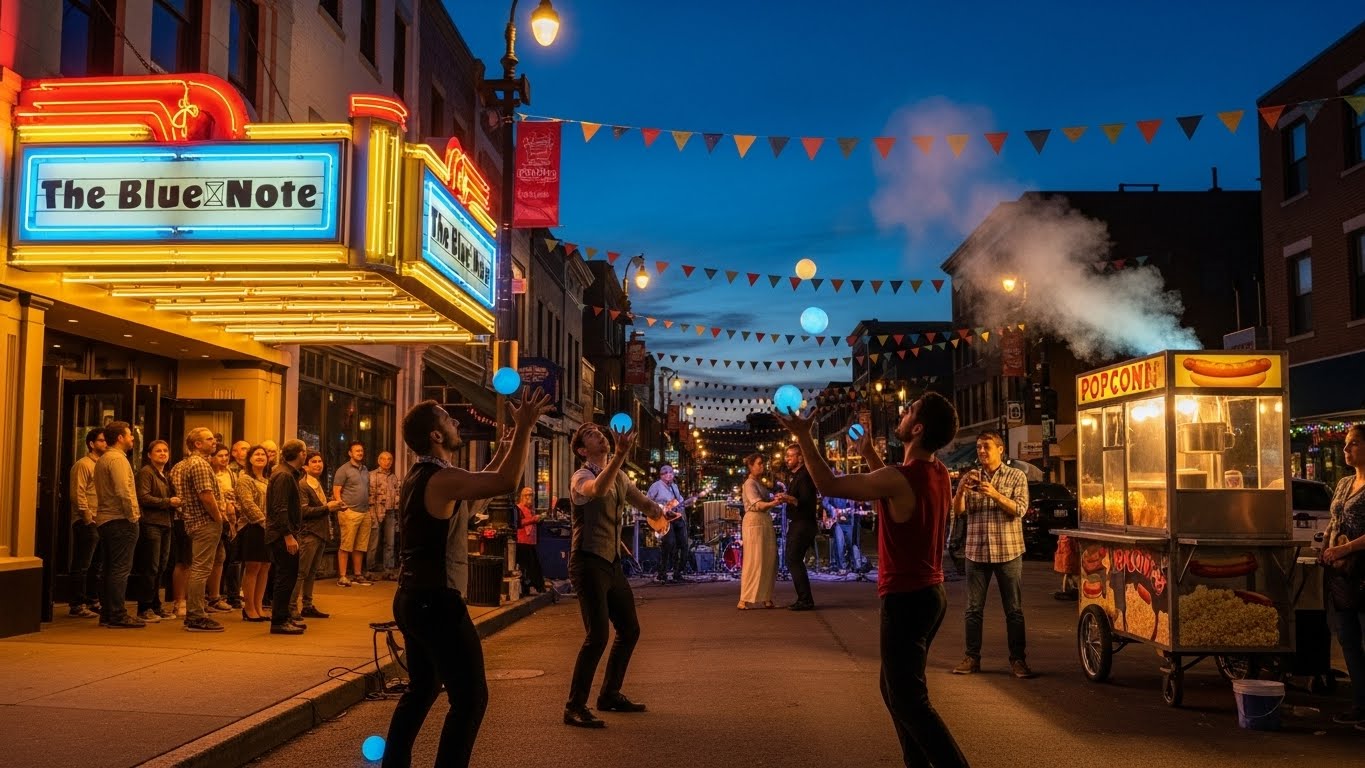
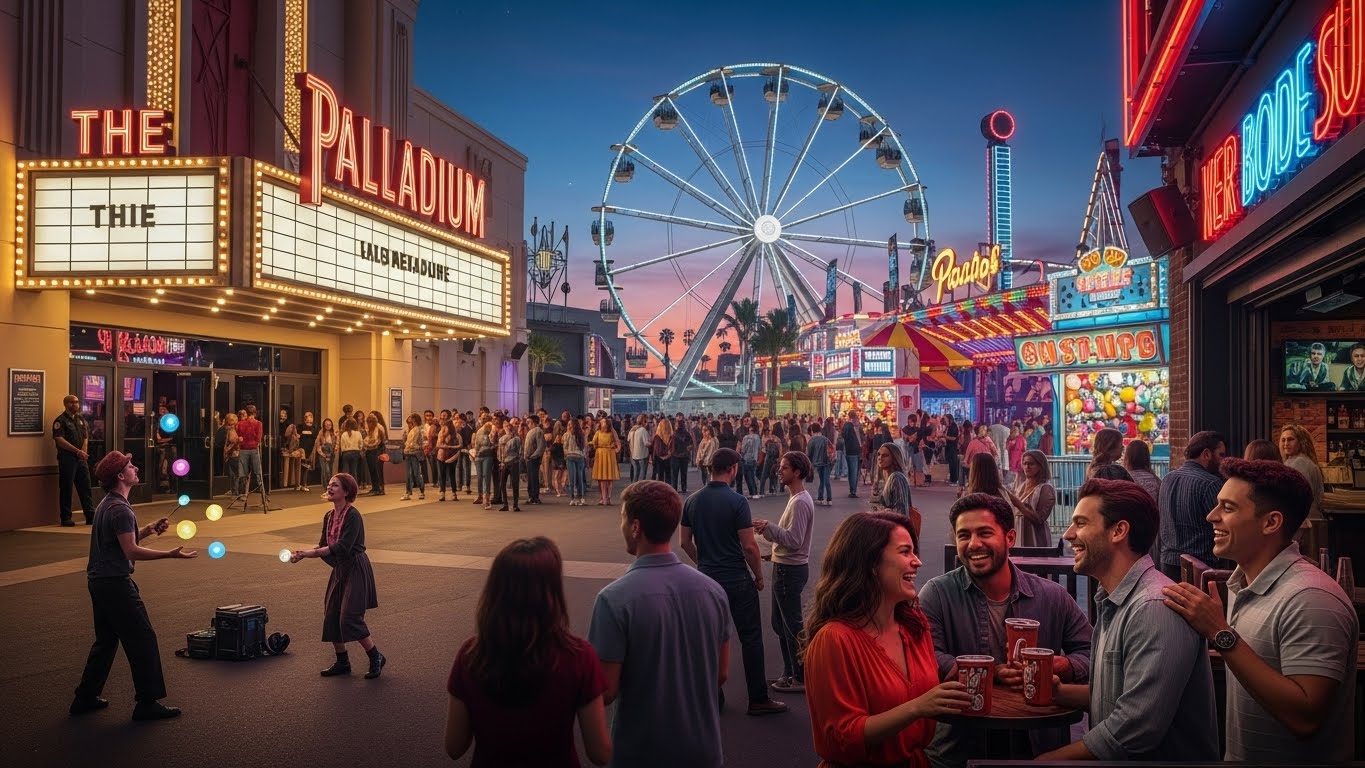
Despite the digital revolution, live entertainment retains its unique charm. Theater, concerts, sports events, and festivals offer experiences that screens cannot replicate. The energy of a crowd, the immediacy of a performance, and the unpredictability of live events create memories that linger long after the event ends.
Theater remains a testament to the enduring power of live performance. Broadway and West End productions combine storytelling, music, and stagecraft to create captivating experiences. Similarly, live music performances allow fans to feel the raw emotion and creativity of artists in real time. Sports, too, provide drama, suspense, and collective celebration, making them a cornerstone of global entertainment culture.
Entertainment as Social Commentary
Beyond amusement, entertainment often reflects societal values and challenges. Films, television, and music have historically addressed issues such as politics, inequality, and human rights. Satire, comedy, and drama allow audiences to confront uncomfortable truths while remaining engaged.
For instance, movies like Schindler’s List or 12 Years a Slave provide historical reflection, while television shows like The Handmaid’s Tale provoke discussions on contemporary social issues. Music genres like hip-hop have served as platforms for marginalized voices to share stories, struggles, and aspirations. In this way, entertainment becomes both mirror and catalyst for societal change.
The Future of Entertainment
The future of entertainment promises continued evolution. Advances in technology such as artificial intelligence, virtual reality, and holographic projections are opening new possibilities for immersive experiences. Interactive storytelling, personalized content, and cross-platform experiences will redefine how audiences engage with entertainment.
Moreover, the lines between different entertainment forms are increasingly blurred. Video games incorporate cinematic storytelling; streaming platforms produce live events; music videos become narrative films. This convergence signals a more integrated, dynamic, and participatory entertainment landscape.
Conclusion: Why Entertainment Matters
Entertainment is far more than a pastime; it is a vital part of the human experience. It entertains, educates, inspires, and unites. From ancient storytelling to modern digital marvels, entertainment reflects who we are, what we value, and how we dream. Its evolution demonstrates not only technological progress but also the timeless human desire to connect, express, and be moved.
As we look to the future, one thing is certain: entertainment will continue to captivate our hearts, challenge our minds, and shape the culture of generations to come. Whether through the silver screen, the stage, or interactive virtual worlds, entertainment will remain an ever-present companion in the story of humanity.