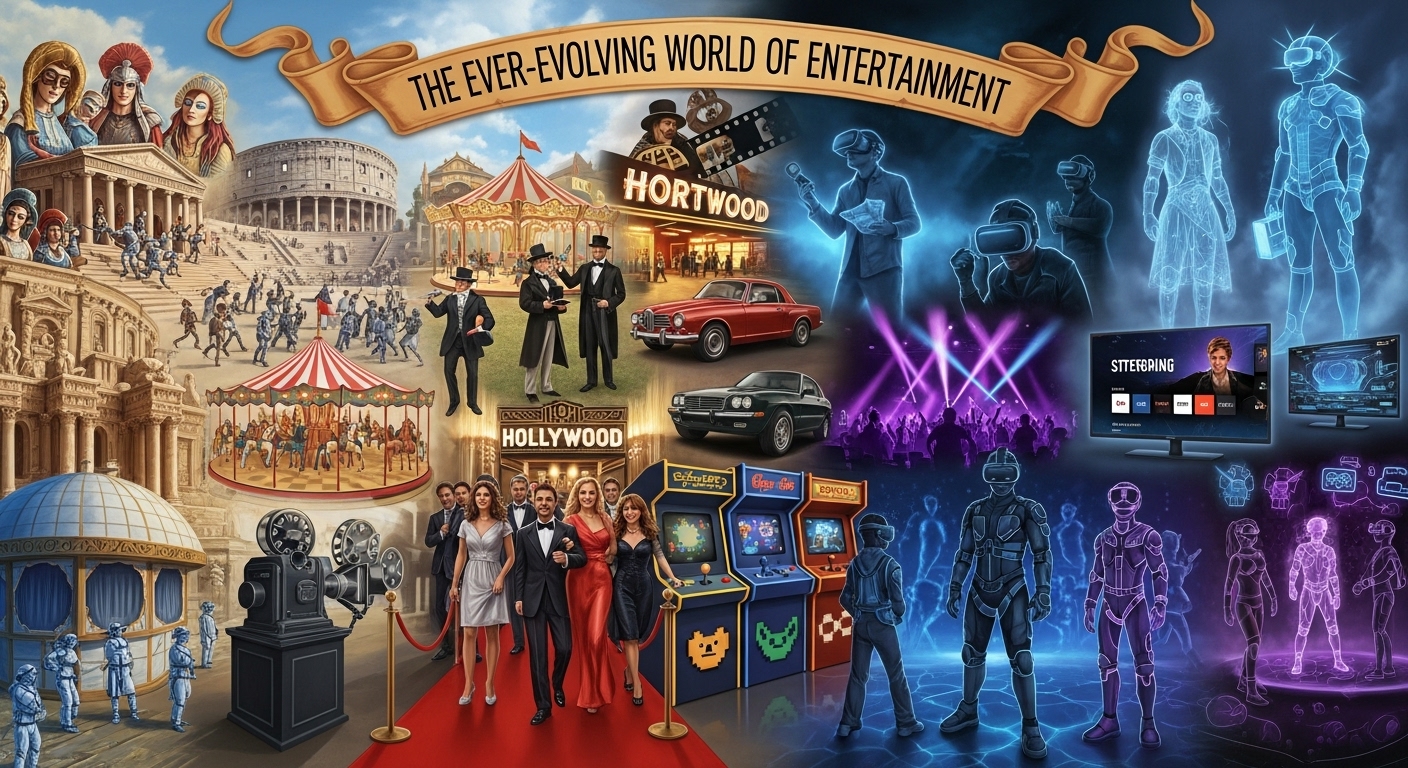
Entertainment has always been an essential part of human life. From ancient theatrical performances in amphitheaters to the digital marvels of today, it reflects our culture, values, and aspirations. The landscape of entertainment is vast, dynamic, and ever-changing, touching everything from cinema, music, and gaming to live performances and digital media. In this blog, we will explore the different facets of entertainment, how it has evolved over time, and its profound impact on our lives.
The Golden Age of Cinema
Cinema has long been a cornerstone of entertainment, captivating audiences with stories that evoke emotions, challenge perspectives, and offer an escape from reality. The early 20th century witnessed the rise of silent films, where actors relied solely on expressions and body language to tell stories. Icons like Charlie Chaplin and Buster Keaton brought joy, humor, and artistry to screens worldwide, setting the foundation for what cinema would become.
As sound entered the picture in the late 1920s, films transformed dramatically. Musicals, dramas, and comedies flourished. Hollywood’s Golden Age in the 1930s and 1940s introduced legendary actors like Humphrey Bogart, Audrey Hepburn, and James Stewart. Studios dominated the industry, producing films that shaped culture and left lasting impressions on audiences.
Cinema has always been about storytelling, but its evolution has also mirrored technological progress. Color films, advanced special effects, and later, computer-generated imagery (CGI), pushed the boundaries of imagination. The advent of blockbusters in the 1970s, exemplified by movies like Star Wars and Jaws, marked a shift towards high-budget, high-impact films designed for global appeal.
The Rise of Streaming: A New Era
The 21st century brought with it a seismic shift in how entertainment is consumed. Traditional theaters and cable television began sharing space with streaming platforms. Netflix, Hulu, Disney+, and Amazon Prime revolutionized the way we watch content. The convenience of on-demand streaming reshaped viewing habits, allowing audiences to binge-watch entire series from the comfort of their homes.
This era has democratized entertainment. Independent filmmakers, once constrained by the traditional studio system, now have platforms to showcase their work to a global audience. Documentaries, indie films, and international content have gained visibility like never before, enriching the entertainment ecosystem. The rise of streaming also encouraged experimentation in storytelling. Series with complex narratives, non-linear plots, and multi-season arcs became more common, elevating television to a form of high art.
Music: The Soundtrack of Life
While cinema captures our eyes, music captures our souls. Music has been a companion to humans for centuries, evolving from tribal drums and classical symphonies to modern pop, rock, hip-hop, and electronic dance music. Every era of music reflects the mood and mindset of its time.
The 1960s, for example, were defined by revolutionary rock and psychedelic sounds, with artists like The Beatles, Jimi Hendrix, and The Rolling Stones leading the charge. The 1980s saw the rise of synthesizers, pop icons like Michael Jackson and Madonna, and the MTV generation, where music videos became as important as the songs themselves. Hip-hop and rap emerged as powerful cultural forces, giving voice to marginalized communities and influencing fashion, language, and lifestyle.
Today, music is more accessible than ever. Platforms like Spotify and Apple Music allow listeners to explore diverse genres from around the world. The global fusion of musical styles has birthed exciting collaborations, from Latin reggaeton blending with American pop to K-pop taking the world by storm. Music festivals, live concerts, and virtual performances further enhance the experience, making music an immersive, shared celebration.
Gaming: Interactive Entertainment
If cinema and music engage our senses passively, video games engage them actively. Gaming has grown from simple pixelated screens to vast, immersive worlds with cinematic storytelling, complex gameplay, and realistic graphics. It has evolved into one of the most influential sectors of entertainment, attracting millions of players worldwide.
The history of gaming spans decades, beginning with arcade games in the 1970s and early home consoles like Atari and Nintendo. Iconic franchises like Super Mario, The Legend of Zelda, and Pac-Man became household names, shaping a generation of gamers. The 1990s and early 2000s witnessed a shift toward more sophisticated gaming experiences with PlayStation, Xbox, and PC gaming, emphasizing narrative depth, strategy, and multiplayer interaction.
Modern gaming is a cultural phenomenon. Esports, competitive gaming tournaments with professional players and massive audiences, have turned gaming into a spectator sport. Games like Fortnite, League of Legends, and Call of Duty attract millions of viewers, rivaling traditional sports in popularity. Virtual reality (VR) and augmented reality (AR) promise to take gaming even further, creating experiences that blur the line between reality and imagination.
Live Performances: The Magic of Presence
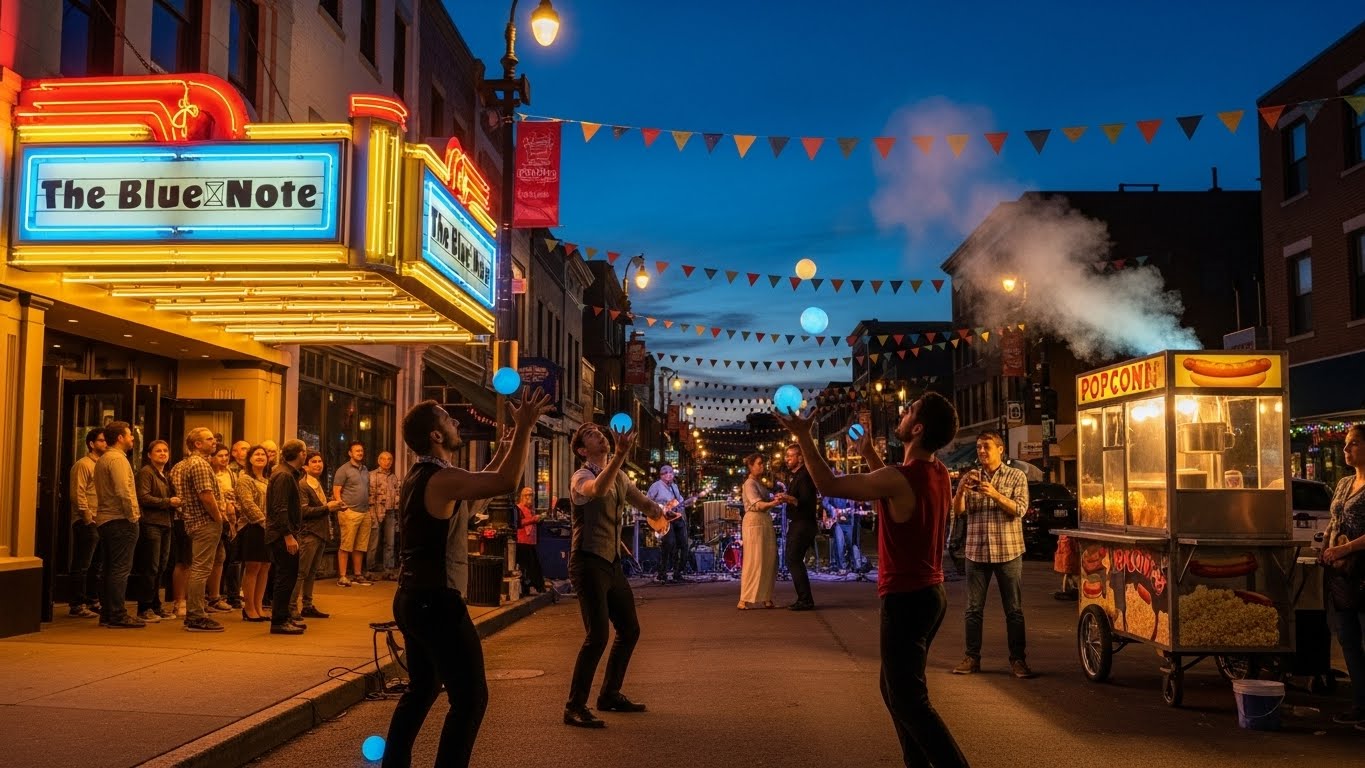
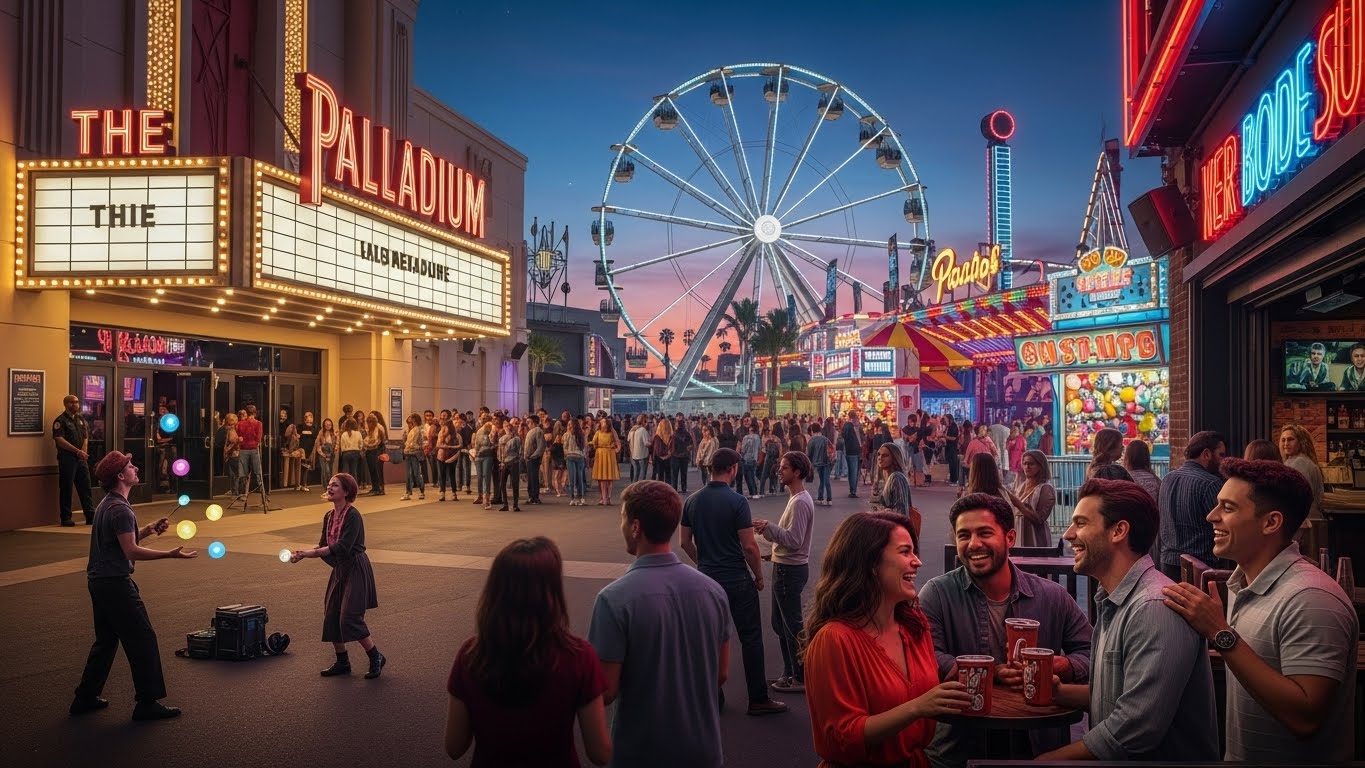
Despite technological advancements, live entertainment retains a unique charm. Theater, concerts, circus performances, and stand-up comedy offer experiences that no screen can replicate. The magic of being in the same room as performers, sharing collective energy, and witnessing real-time artistry creates unforgettable memories.
Broadway in New York, the West End in London, and cultural festivals worldwide celebrate the art of live performance. Musicals like Hamilton, The Lion King, and Les Misérables are not just shows but cultural events, attracting audiences from around the globe. Music concerts, from intimate jazz clubs to massive stadium tours, provide fans with direct engagement with artists, creating emotional bonds that recorded media cannot replicate.
Comedy, too, thrives in live settings. Stand-up comedians interact with their audience, improvising and adapting based on reactions, making each performance distinct. The immediacy of laughter, applause, or gasps creates a shared human experience that is deeply gratifying.
Social Media and Entertainment: The Rise of the Influencer
The digital age has birthed a new form of entertainment: social media content. Platforms like YouTube, TikTok, and Instagram have turned ordinary individuals into global celebrities. These influencers, through short videos, vlogs, and creative content, reach millions instantly, shaping trends, humor, and pop culture.
Social media has changed the entertainment game by giving audiences control over what they consume. Gone are the days when entertainment was dictated solely by studios, record labels, or TV networks. Now, creators can connect directly with fans, and trends can go viral overnight. Memes, challenges, and short-form content have become central to modern entertainment, reflecting societal moods and humor in real-time.
Moreover, social media has blurred the line between entertainment and marketing. Collaborations between brands and influencers have become commonplace, creating a hybrid space where entertainment, commerce, and culture intersect.
Global Entertainment: Crossing Borders
One of the most exciting aspects of contemporary entertainment is its global reach. The world has never been more interconnected, allowing cultural exchange on an unprecedented scale. Films from Bollywood, Nollywood, and South Korea now captivate audiences far beyond their local markets. The global success of K-dramas and K-pop is a testament to this trend, showing that compelling storytelling and talent transcend language and geography.
Streaming platforms, social media, and online gaming communities have accelerated this globalization. Audiences now have access to content from around the world, broadening perspectives and fostering appreciation for diverse cultures. Entertainment has become a bridge, connecting people through shared stories, laughter, music, and experiences.
The Psychology of Entertainment
Entertainment is more than just a pastime; it serves deep psychological purposes. Movies, music, games, and live performances allow us to escape reality, experience emotions safely, and connect with others. It can be a stress-reliever, a source of inspiration, or a medium for learning and reflection.
Research suggests that engaging with entertainment can enhance empathy by exposing us to different perspectives and experiences. Storytelling, in particular, fosters understanding, encouraging viewers to step into the shoes of characters from diverse backgrounds. Humor, suspense, and emotional arcs provide catharsis, releasing built-up tension and evoking joy.
Moreover, entertainment has a social dimension. Watching a blockbuster, attending a concert, or discussing a trending show creates shared experiences. These interactions strengthen bonds, create communities, and foster cultural identity.
The Future of Entertainment
The future of entertainment promises even greater innovation and immersion. Artificial intelligence (AI), virtual reality (VR), augmented reality (AR), and interactive storytelling are set to redefine engagement. Imagine AI-generated films tailored to individual preferences, VR concerts where attendees can interact with avatars of their favorite artists, or video games that adapt in real-time to players’ emotions.
Technological convergence will continue to blur the boundaries between different entertainment forms. Music may become more interactive, cinema more immersive, and gaming more socially integrated. The distinction between creators and consumers will become increasingly fluid, allowing audiences to actively shape narratives and experiences.
Sustainability and inclusivity are also shaping the future of entertainment. Content is being created with greater awareness of environmental impact, representation, and accessibility, ensuring that entertainment can be enjoyed by all while reflecting a more equitable world.
Conclusion
Entertainment is a reflection of humanity itself—our creativity, imagination, desires, and emotions. From the silent films of the early 20th century to the immersive digital experiences of today, it continues to evolve, innovate, and inspire. Whether through cinema, music, gaming, live performances, or social media, entertainment connects us, challenges us, and enriches our lives.
As technology advances and cultures converge, the world of entertainment promises endless possibilities. Its power lies not just in amusement but in its ability to unite, inspire, and transform. In a rapidly changing world, entertainment remains a constant source of joy, reflection, and shared experience—a celebration of the human spirit in all its diversity and brilliance.