Introduction: The Changing Landscape of Entertainment
Entertainment has always played a vital role in human culture, providing both relaxation and an escape from daily life. From ancient theater performances to the invention of the television, we’ve seen dramatic shifts in how we enjoy entertainment. Today, the digital age has brought new possibilities, expanding the boundaries of creativity and interaction. The journey of entertainment is fascinating, showing how technology, culture, and consumer behavior have shaped its current form. In this blog post, we’ll explore how entertainment has evolved, from traditional formats to today’s interactive, on-demand experiences.
Traditional Entertainment: A Foundation for the Modern World
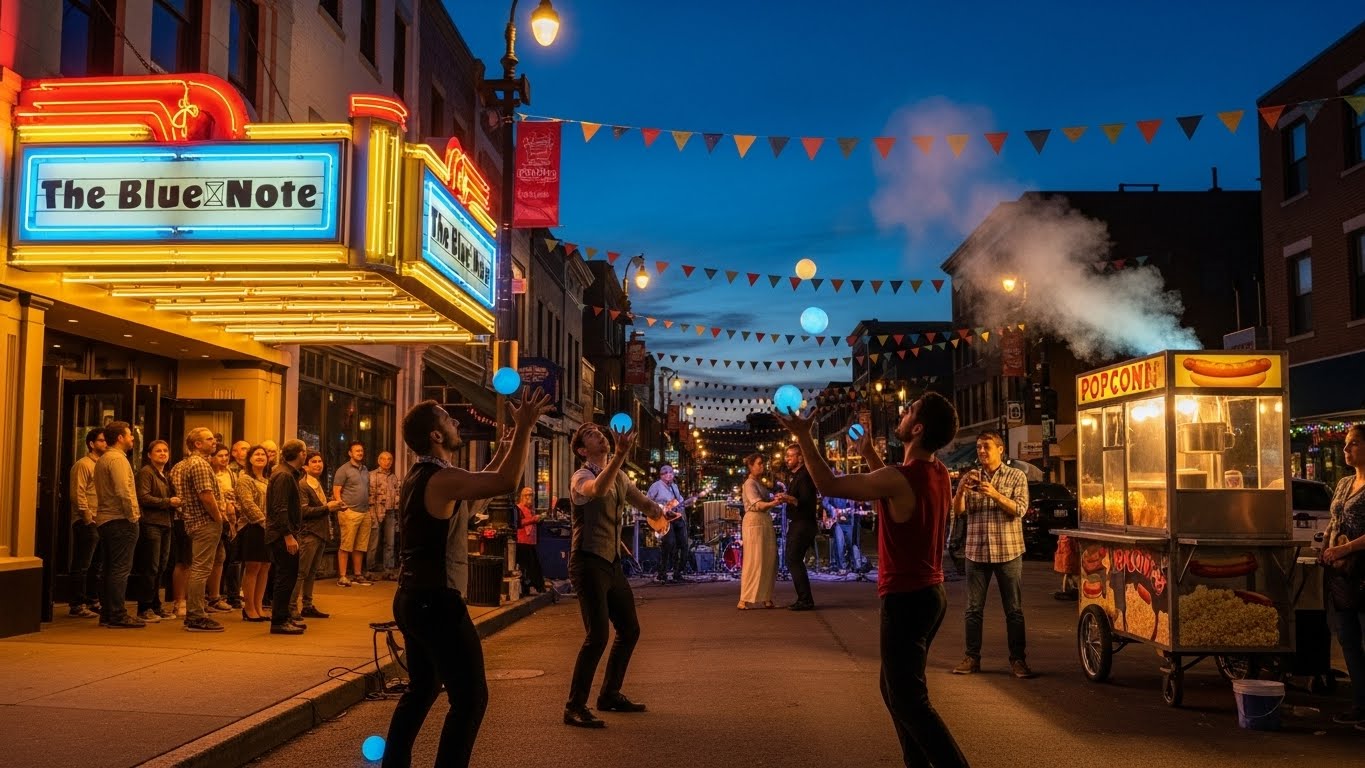
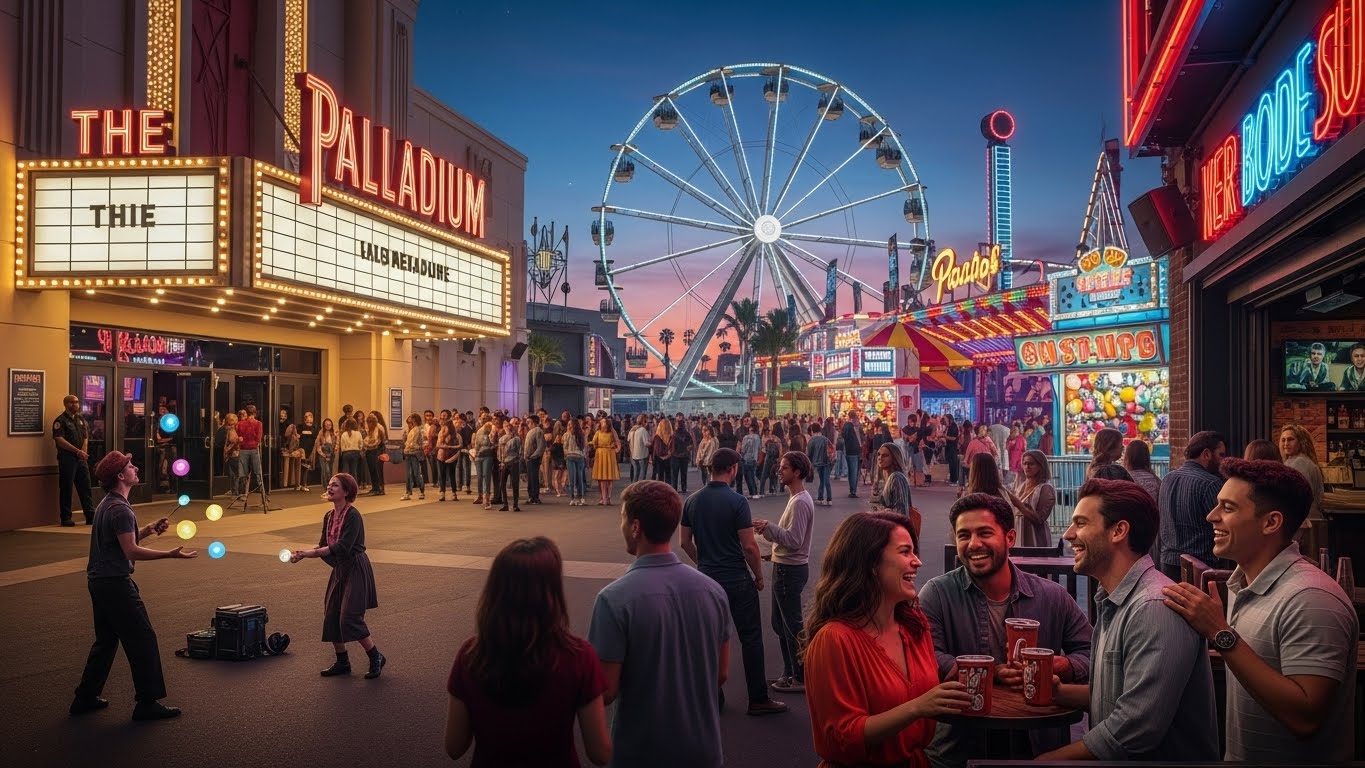
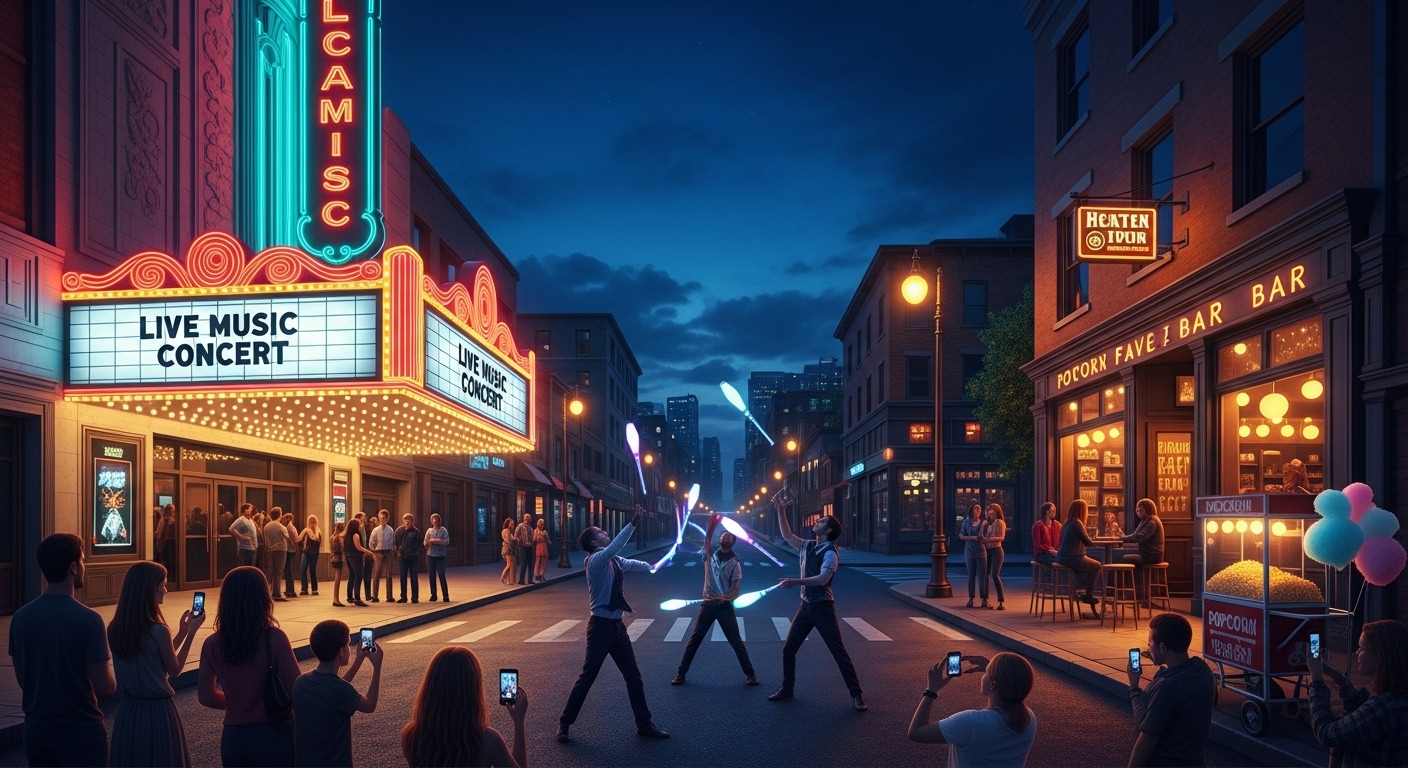
Long before digital technology took center stage, entertainment was more communal and limited by geographical constraints. In ancient times, people gathered to watch live performances—whether they were theatrical plays, dance, or musical performances. These were cultural staples that not only entertained but also communicated important social messages and values.
In the 20th century, as radio and then television became household staples, entertainment took on a more passive form. Families sat together in front of a TV to watch their favorite shows, news broadcasts, or films. Movie theaters were the go-to places for immersive cinematic experiences, creating collective moments of cultural impact with blockbusters like Gone with the Wind or The Godfather. These traditional forms of entertainment brought people together in ways that are still cherished today, but as technology progressed, the landscape began to change.
The Digital Revolution: The Rise of the Internet and Streaming
The advent of the internet in the late 20th century dramatically changed how we consume entertainment. No longer confined to scheduled broadcasts, the world of entertainment shifted towards on-demand access. With platforms like YouTube, and later streaming giants like Netflix, Amazon Prime Video, and Disney+, the way we watch films, series, and even live events became more flexible.
Streaming services revolutionized the entertainment industry by offering vast libraries of content that could be accessed anytime, anywhere. Shows like Stranger Things and The Mandalorian captured global audiences, proving that quality content could easily transcend borders and time zones. This move away from traditional TV schedules not only transformed how we watch but also how we think about watching. Binge-watching became a cultural norm, and on-demand streaming has now become a primary source of entertainment for millions worldwide.
The Impact of Social Media: A New Era of Interactive Entertainment
While streaming services democratized the availability of content, social media platforms took entertainment to a new, interactive level. Social media is no longer just a tool for connecting with friends—it’s now a hub for content creation and consumption. Platforms like Instagram, TikTok, and Twitter have revolutionized how we consume and engage with entertainment.
TikTok, for instance, has turned ordinary people into viral sensations, proving that creativity, rather than fame or professional experience, can generate immense reach. Similarly, Instagram has created new forms of entertainment through influencer culture, where people follow personalities, trends, and micro-celebrities for everything from lifestyle tips to comedy skits. The real-time nature of these platforms also allows for a more personalized entertainment experience, where viewers interact with content in a way that was not possible with traditional forms of media.
Social media has blurred the lines between the audience and the creator, allowing anyone with an internet connection to become a part of the entertainment world. From viral memes to user-generated music videos, entertainment is no longer just passively consumed—it’s actively shaped by the users themselves.
Gaming: A Massive Shift Towards Interactive Immersion
One of the most exciting developments in entertainment has been the rise of video gaming. Once a niche hobby, gaming is now a multi-billion-dollar industry with global reach. The gaming world has gone far beyond the basic arcade games of the past and evolved into complex, immersive experiences that rival films in terms of storytelling and visuals.
Games like The Legend of Zelda: Breath of the Wild and Red Dead Redemption 2 offer sprawling worlds where players are not only entertained but can lose themselves in vast, interactive environments. Today’s games are more than just play—they’re interactive narratives, social platforms, and sometimes even works of art. Multiplayer games like Fortnite and League of Legends have created global communities, transforming gaming into a social activity, rather than just a solitary pursuit.
Additionally, the rise of esports has added a competitive edge to gaming, turning it into a legitimate career for some, with professional tournaments and sponsorship deals worth millions. Gaming has gone from being a form of entertainment to a cultural phenomenon with its own language, communities, and influence on mainstream media.
The Emergence of Virtual Reality and Augmented Reality: Blurring the Line Between Real and Virtual
As technology continues to evolve, the lines between the physical and digital worlds are becoming increasingly blurred. Virtual Reality (VR) and Augmented Reality (AR) have taken immersive entertainment experiences to the next level. VR, in particular, allows players to fully immerse themselves in alternate worlds, whether for gaming, education, or live events. Platforms like Oculus Rift and PlayStation VR offer experiences that make you feel as though you’re physically present in the environment.
On the other hand, AR brings the virtual world into the real one. Apps like Pokémon GO and the rise of AR in live entertainment (such as concerts with AR effects) show how technology is adding layers of interaction to real-world experiences. Both VR and AR represent the future of entertainment—where you’re not just a passive observer, but an active participant in your entertainment.
Entertainment for All: The Rise of Accessibility
One of the most profound changes in the entertainment industry has been the increased accessibility of content. Streaming platforms, social media, and mobile apps have democratized entertainment in a way never before seen. Whether it’s a documentary on Netflix or a TikTok video shared with a global audience, the ease with which content can be accessed and shared has transformed the entertainment industry into something more inclusive and diverse.
Additionally, technology has made entertainment accessible to those who may have once been excluded. Closed captions, audio descriptions, and adaptive technology for video games allow people with disabilities to experience entertainment in ways that were previously unavailable. This broadening of access not only enriches the entertainment world but also fosters inclusivity and community.
The Future of Entertainment: What Lies Ahead?
The future of entertainment is full of promise and possibilities. With the rapid pace of technological advancements, we are likely to see even more interactive, personalized experiences. AI-generated content, for instance, could provide unique, tailored stories for individuals based on their preferences, and as VR and AR continue to evolve, we may see fully immersive cinematic experiences.
Furthermore, the convergence of entertainment across platforms will create an even more integrated ecosystem. For example, you could start watching a movie on your TV, switch to playing an interactive game on your phone, and then visit a live VR concert—all seamlessly connecting through digital platforms.
As we continue to embrace new technologies and expand our horizons, the entertainment industry will only continue to grow more dynamic, interactive, and inclusive.
Conclusion: Embracing the Future of Entertainment
Entertainment has come a long way from its roots in live performances and traditional media. With the rise of streaming platforms, social media, gaming, and immersive technologies like VR and AR, the way we experience and engage with entertainment has changed beyond recognition. What remains constant, however, is our fundamental desire for connection, creativity, and enjoyment.
The digital revolution has made entertainment more accessible, interactive, and personal than ever before. As we look ahead, it’s clear that the possibilities are endless, and the future of entertainment holds exciting opportunities for creators and consumers alike. Whether through immersive gaming, social media, or innovative new platforms, the entertainment of tomorrow will continue to evolve—and we’re just getting started.