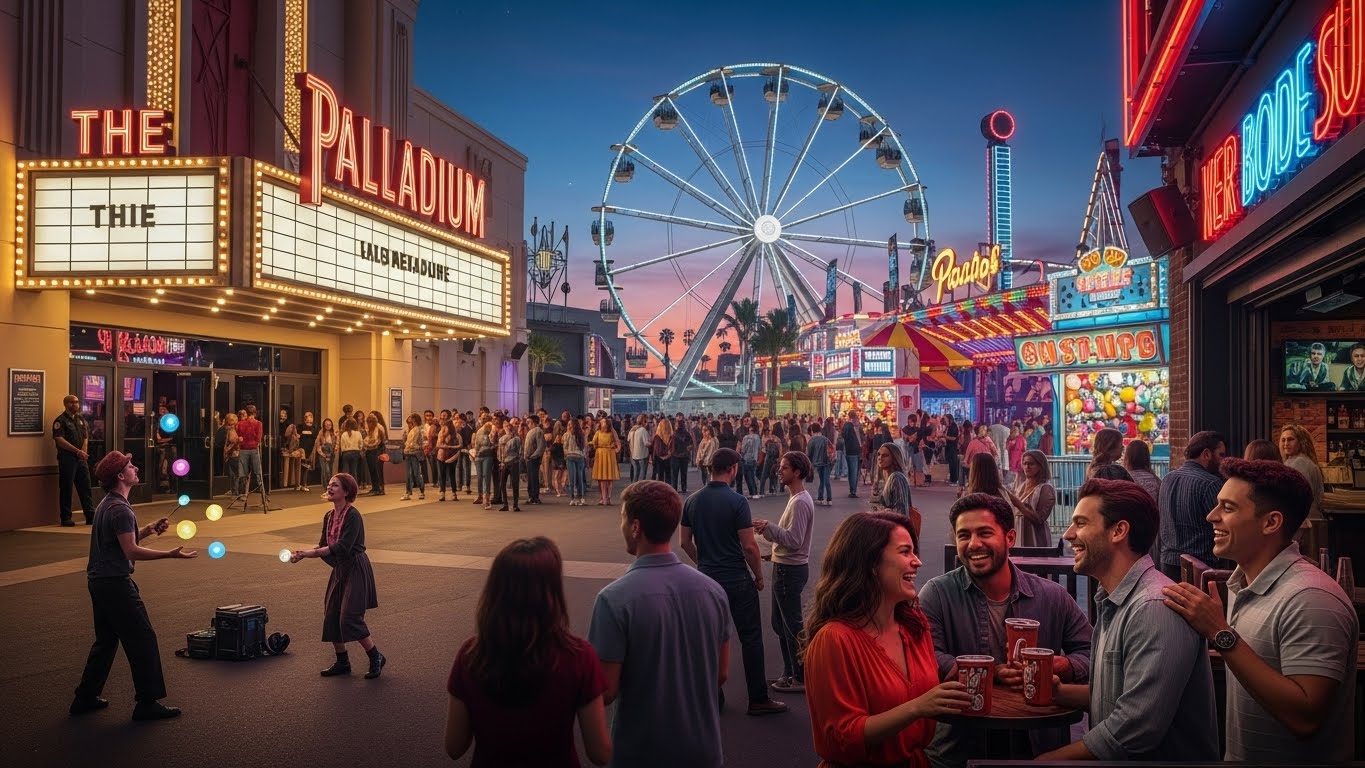

Entertainment has always been a fundamental part of human culture, providing an escape, sparking imagination, and uniting people through shared experiences. From ancient storytellings by campfires to the advent of film and television, we’ve seen remarkable evolution in how stories and experiences are delivered. Today, we stand on the precipice of a new era in entertainment—one that’s less about passive consumption and more about immersive, interactive, and personalized experiences. In this post, we’ll explore how technology is shaping the future of entertainment and what it means for us as consumers.
The Traditional Entertainment Landscape: A Time of Limited Choices
Before the internet and streaming revolution, entertainment options were far more limited. People gathered around television sets at specific times to watch shows, movies, or sports events. Cinema, once the epitome of high-end entertainment, required a trip to a theater, and even that experience was constrained by showtimes and seating availability. The rise of cable television did offer more channels and choice, but ultimately, we were still passive consumers of content. The entertainment experience was defined by what was available at any given time and place, leaving little room for customization or convenience.
The Digital Revolution: Streaming Platforms and On-Demand Content
The internet has radically transformed the entertainment industry. Streaming services like Netflix, Hulu, Amazon Prime Video, and Disney+ have shifted the paradigm from appointment-based viewing to on-demand access. Consumers now have the ability to choose what to watch, when to watch it, and often how to watch it—whether on a TV, tablet, smartphone, or even a smart device like an Amazon Fire Stick. With the introduction of original content from these platforms, consumers are no longer just watching traditional TV shows or movies; they’re engaging with exclusive programming tailored to their interests.
This change also means that audiences have more control than ever before. No longer are we tied to a schedule or the limitations of a physical video rental store. We can binge-watch an entire series in one sitting, explore documentaries about niche topics, or dive deep into independent films from around the world, all without leaving the comfort of our homes.
The Impact of Mobile Devices: Entertainment Anytime, Anywhere
The rise of mobile technology has made entertainment even more accessible. Smartphones, tablets, and wearables have transformed how we consume content, enabling us to enjoy entertainment on the go. Waiting in line, commuting to work, or lounging in a coffee shop—these are no longer wasted moments. They are opportunities to engage with content, whether through a quick episode of a show, a few rounds of a mobile game, or a new social media video.
This mobility has made entertainment feel more integrated into our everyday lives. In many ways, our phones are the ultimate entertainment hubs, offering access to movies, music, games, social media platforms, and much more. As mobile screens continue to get bigger and better, the line between traditional viewing experiences and mobile entertainment blurs even further.
Interactive Entertainment: Gaming, VR, and Beyond
One of the most exciting areas of entertainment development is the growth of interactive content, especially in the gaming and virtual reality (VR) spaces. Video games, long considered one of the most engaging forms of entertainment, have evolved from simple 8-bit graphics to complex, immersive worlds with storylines, character development, and interactive choices that can affect the outcome of the game.
The rise of VR technology has taken interactivity to another level, offering a fully immersive experience where users can step into a virtual world and interact with it as though they are physically present. Whether it’s a game, an interactive story, or even a VR movie, the experience feels far more engaging than passive viewing. VR’s growing accessibility, particularly with platforms like Oculus, means that the potential for fully immersive experiences is rapidly becoming a reality.
This interactivity isn’t just limited to gaming. Movies, TV shows, and even live events are beginning to explore immersive technologies. Netflix, for example, experimented with interactive storytelling in projects like Bandersnatch, where viewers could influence the plot. This is just the beginning of a wave of interactive content that will likely become more prominent in the years to come.
Personalization and Artificial Intelligence: A Tailored Entertainment Experience
One of the most promising aspects of the future of entertainment is personalization. We are increasingly relying on AI and data algorithms to tailor our experiences. Streaming platforms already recommend movies and shows based on our viewing history, and music services like Spotify create playlists based on our listening habits. This level of customization extends to almost every form of entertainment, from personalized news feeds on social media to game recommendations that suit our individual play styles.
But this is just the beginning. With advances in artificial intelligence, entertainment could soon become not just recommended but also created with individual preferences in mind. Imagine a TV show or movie where the storyline, characters, or even the soundtrack adapt in real-time to reflect your unique tastes. AI could also generate dynamic content, such as personalized interactive experiences where the narrative changes based on the user’s actions or emotional responses.
The Social Element: Entertainment as a Shared Experience
Despite the growing shift toward personalized entertainment, the social aspect remains incredibly important. While we may choose what to watch based on our preferences, we often seek ways to share experiences with others. The future of entertainment is not just about the content itself, but also about how we engage with it collectively.
Social media platforms have already transformed how we interact with entertainment. Watching a live event or episode of a TV show is often accompanied by online discussions, fan theories, or even real-time reactions. Platforms like Twitter, Instagram, and TikTok allow users to create content, discuss trends, and connect with others who share their interests. Virtual watch parties and interactive social events in digital spaces also point to a growing desire for shared entertainment, even if we’re physically apart.
The Future: Infinite Possibilities in Entertainment
As we move further into the 21st century, it’s clear that the entertainment industry is on the brink of an explosion in innovation. From interactive storytelling and personalized content to the expanding possibilities of VR, AI, and social media, we’re heading toward an era where entertainment is far more immersive, customized, and social than ever before.
Gone are the days of limited options and passive consumption. We are entering a world where entertainment will not only entertain but also engage, educate, and connect people across the globe in entirely new ways. The future of entertainment is one of boundless creativity and exciting possibilities, and we’re only just getting started.