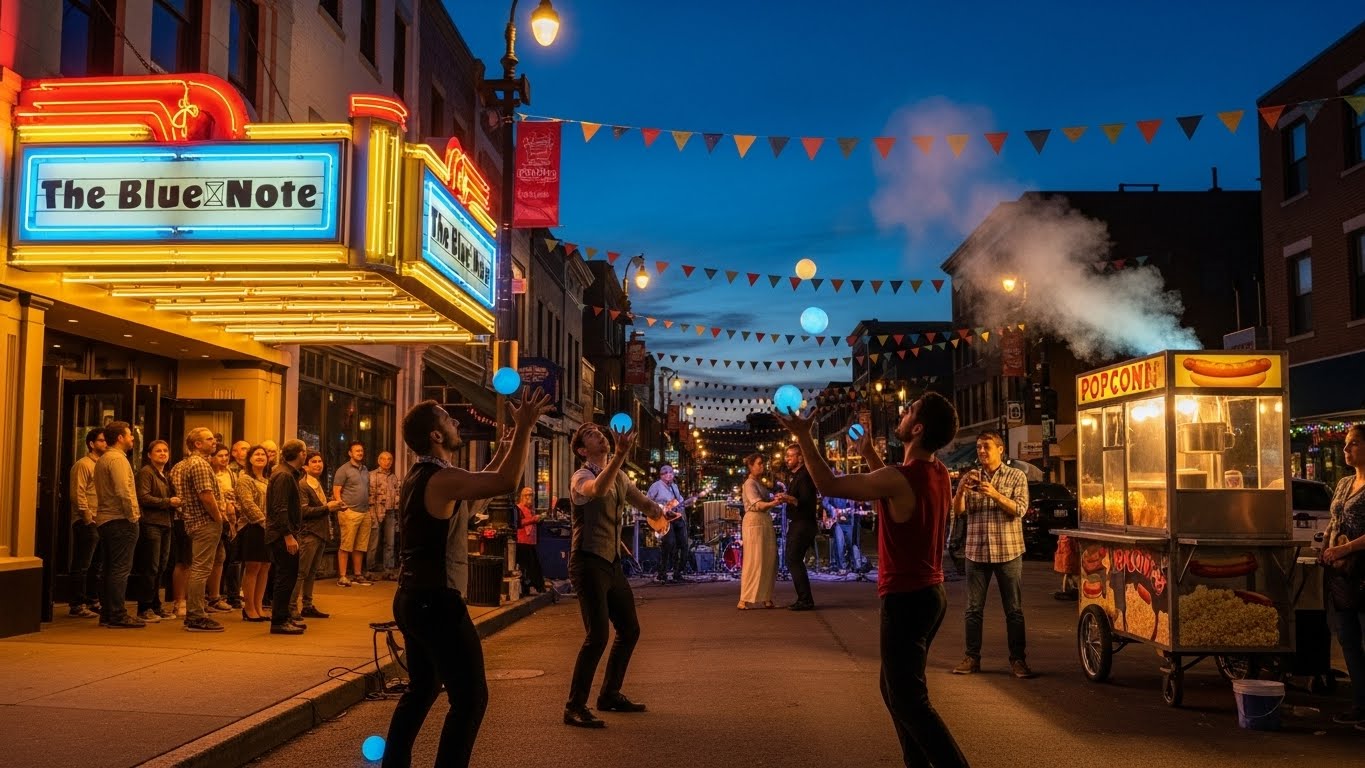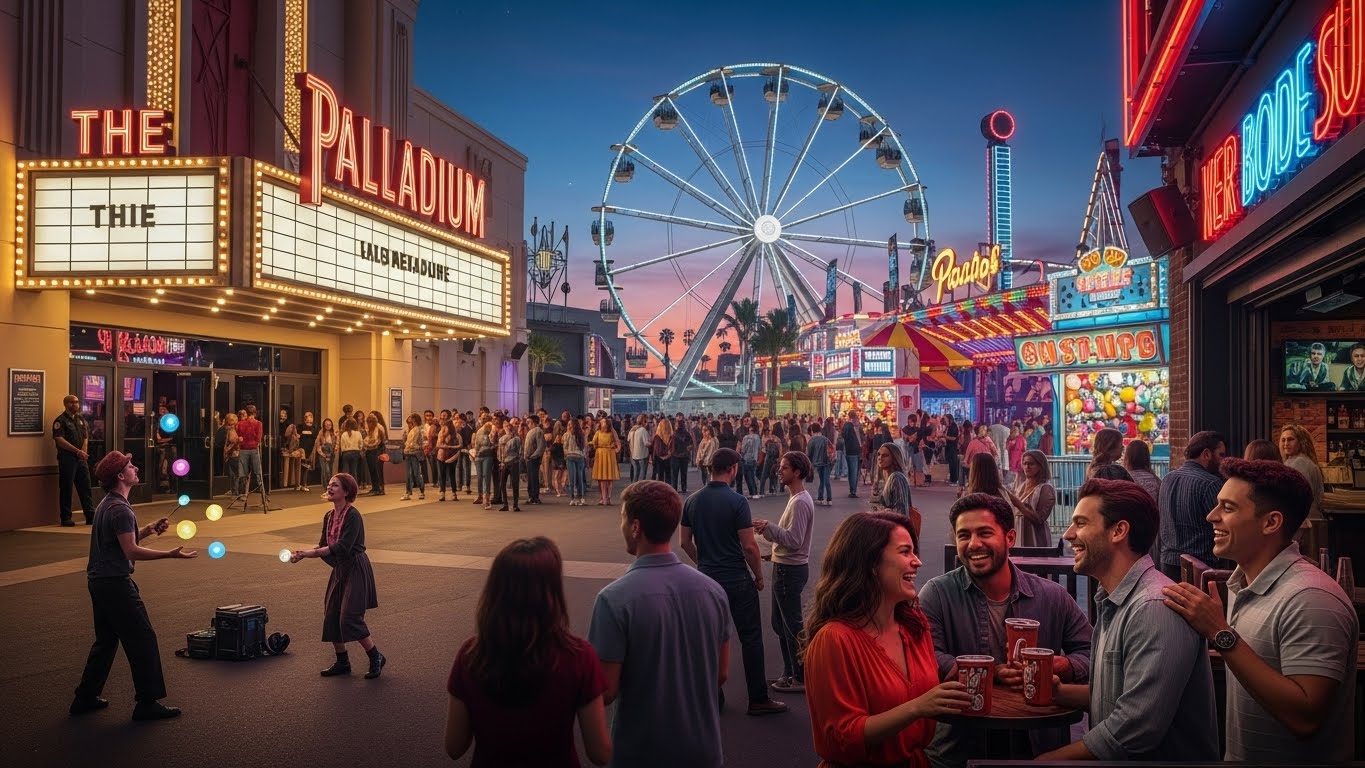
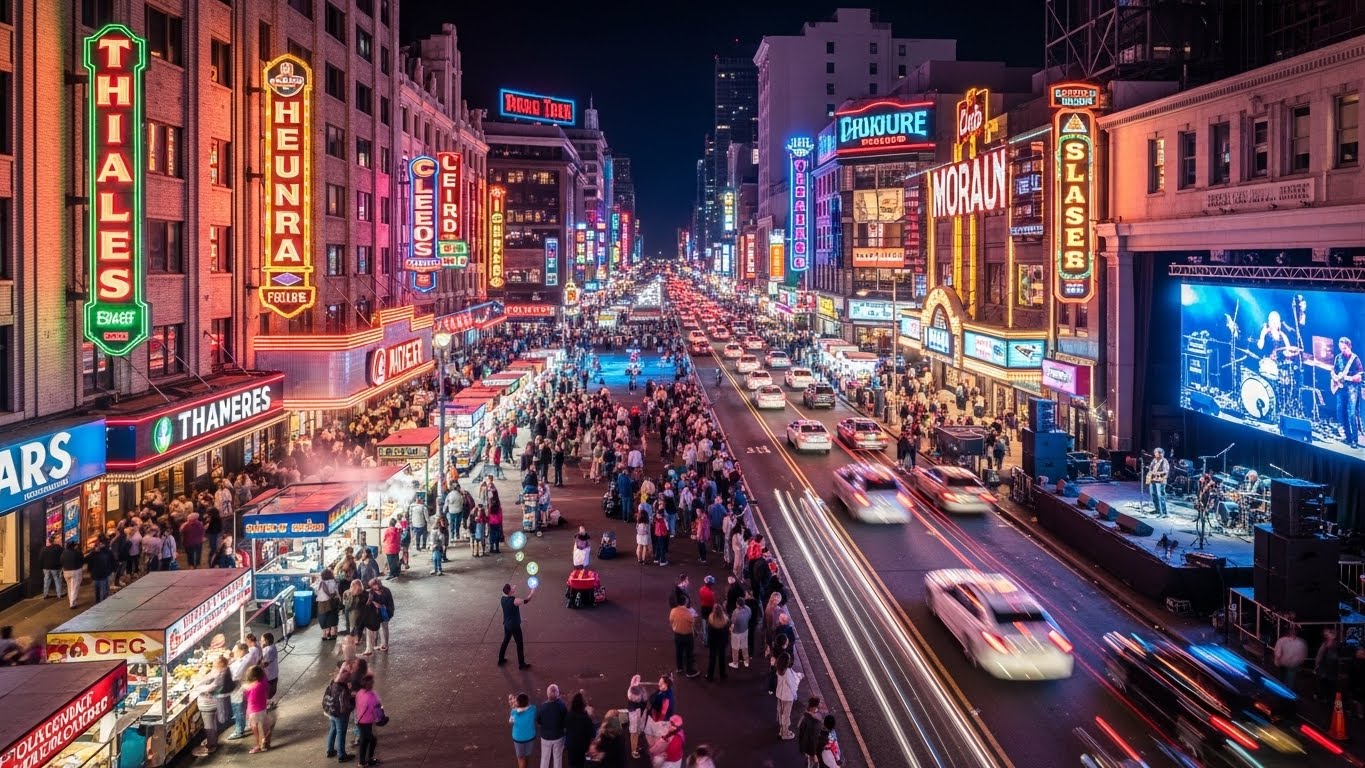
Entertainment has always been an essential part of human culture, offering an escape from the routines of daily life, a way to bond with others, and a means of expression. Over the centuries, entertainment has evolved in ways that reflect not only technological advancements but also cultural shifts. Today, entertainment has shifted significantly, with traditional mediums giving way to digital formats. In this blog post, we’ll explore the evolution of entertainment, from its early roots to its current dominance in the digital age.
The Origins of Entertainment: A Glimpse into Early Forms
Before the advent of modern technology, entertainment was simple and rooted in human interaction and natural surroundings. Ancient forms of entertainment, like storytelling, music, and performance, have existed since the beginning of human civilization.
In prehistoric times, entertainment was most likely centered around communal activities such as singing, dancing, and storytelling around a fire. These were opportunities for people to come together, share their culture, and express emotions. Music played a central role in early societies, as it helped forge connections between individuals and communities. Instruments like drums, flutes, and early stringed instruments emerged as tools to create rhythms that could accompany dances and chants.
In ancient civilizations like Egypt, Greece, and Rome, public performances became more structured and sophisticated. The Greek theater, with its dramatic tragedies and comedies, stands as a prime example. These performances were an essential part of social life, with massive amphitheaters constructed to accommodate thousands of spectators. Likewise, gladiatorial combat in Rome and chariot races became forms of entertainment that reflected the societal values of those times, like heroism, bravery, and strength.
The Rise of Literature, Theatre, and Classical Music
The Renaissance period saw a significant shift in entertainment. Literature and the arts took on a more refined role, with notable figures like William Shakespeare and Johann Sebastian Bach bringing new sophistication to entertainment. Shakespeare’s plays are still regarded as some of the finest works of literature, showcasing the power of theater to convey complex emotions and human conditions.
During this time, the invention of the printing press in the 15th century allowed for the mass distribution of books, which made literature more accessible to the public. People could now read novels, plays, and poetry in the comfort of their own homes, thus diversifying their options for entertainment.
The 18th and 19th centuries saw the emergence of classical music as a dominant form of entertainment. Composers like Mozart, Beethoven, and Brahms provided symphonic and operatic compositions that would influence music for generations. These performances were not just entertainment but also acts of cultural sophistication and intellectual engagement.
The Industrial Revolution: A Turning Point in Entertainment
The Industrial Revolution in the 19th century marked a dramatic shift in both the production and consumption of entertainment. Mass production, urbanization, and the rise of the middle class transformed entertainment into an industry that could be consumed on a larger scale.
The invention of photography and later, motion pictures, became groundbreaking for the entertainment world. The first public screening of a film, which occurred in Paris in 1895 by the Lumière brothers, signaled the beginning of the movie industry. Cinema quickly grew in popularity, and by the early 20th century, Hollywood was on its way to becoming the global hub of entertainment.
Simultaneously, other forms of entertainment were flourishing. The radio, introduced in the 1920s, became a household staple, offering news, music, and dramatic performances. This marked the beginning of the modern era of broadcast media.
The Golden Age of Television
Television became the most significant medium of entertainment in the mid-20th century. In the post-World War II era, television sets became common in American homes, and the small screen revolutionized how people consumed entertainment. The 1950s and 1960s are often referred to as the “Golden Age of Television,” a time when shows like I Love Lucy, The Twilight Zone, and The Ed Sullivan Show captivated audiences across the nation.
Television introduced new genres of entertainment, such as soap operas, game shows, news programs, and sitcoms. It democratized entertainment, providing a shared experience for millions of viewers. Families would gather around the television to watch the same programs, which made television a central part of the cultural fabric of post-war societies.
The growth of television also gave rise to the celebrity culture we are familiar with today. Actors, directors, and producers became household names, and the entertainment industry started to mirror the growing consumer culture of the time.
The Digital Revolution: Entertainment Gets a Makeover
The late 20th and early 21st centuries marked a dramatic shift toward digital entertainment. The introduction of the internet in the 1990s set the stage for an entertainment revolution. The way people consumed content changed rapidly. Online streaming, gaming, and social media became dominant platforms for entertainment.
The rise of the internet allowed for on-demand access to content, completely disrupting traditional models of TV and film distribution. Services like Netflix, Hulu, and Amazon Prime made it possible for consumers to watch entire seasons of shows without waiting for weekly episodes. This shift had a profound effect on the entertainment industry, with traditional broadcasting networks forced to adapt or risk losing their audience to the growing digital space.
Social media platforms like Facebook, Twitter, Instagram, and TikTok have also transformed how entertainment is produced and consumed. Influencers, vloggers, and user-generated content have become key drivers of the digital entertainment landscape. People can now produce and share their own content, leading to the democratization of entertainment. What was once the exclusive domain of Hollywood producers and corporate entities has now become a space for anyone with a camera and an internet connection to participate.
The Role of Gaming in Modern Entertainment
Another key aspect of the digital transformation of entertainment is the rise of video gaming. Once considered a niche hobby, gaming has grown into a multi-billion-dollar global industry, attracting millions of players worldwide. Video games have transcended their initial role as a pastime for teenagers, becoming a mainstream form of entertainment enjoyed by people of all ages.
With advancements in technology, video games have evolved to become more immersive and complex. Titles like The Legend of Zelda, Minecraft, Grand Theft Auto, and Fortnite have captured the imaginations of gamers everywhere. Online multiplayer games, where players can compete or collaborate with others around the world, have made gaming a highly social and interactive form of entertainment.
The rise of eSports has added another dimension to gaming, turning it into a spectator sport with professional players, teams, and massive tournaments that draw millions of viewers online.
The Future of Entertainment: Trends to Watch
As we look to the future, entertainment will continue to evolve in new and exciting ways. With advancements in technology such as Virtual Reality (VR) and Augmented Reality (AR), immersive experiences are likely to become a more prominent part of the entertainment landscape. VR, for example, allows users to experience entertainment in ways that were previously unimaginable, from virtual concerts to interactive storytelling and gaming.
Another trend to watch is the continued growth of artificial intelligence in entertainment. AI is already being used to create music, write scripts, and even generate images and video content. As AI technology advances, it may become a tool for content creators to develop more personalized and innovative forms of entertainment.
Additionally, the increasing prevalence of subscription-based models for streaming services means that consumers will have more control over what they watch and when they watch it. This level of customization is changing how content is consumed and produced. It’s likely that we’ll see even more niche content catering to specialized tastes and interests.
Finally, as the lines between different forms of entertainment continue to blur, we may see more hybrid experiences, where film, gaming, and social media come together to create interactive, cross-platform storytelling.
Conclusion
Entertainment has come a long way from its humble origins in ancient storytelling and theater. Over the centuries, it has adapted to reflect changing technologies, societal norms, and consumer behaviors. What started as a communal activity around a fire has transformed into a global, multi-billion-dollar industry driven by digital platforms.
The current landscape of entertainment is defined by its accessibility, diversity, and interactivity. Whether through the rise of streaming services, the gaming revolution, or the rise of social media influencers, the way we consume entertainment has radically changed. As technology continues to advance, the future promises even more exciting developments that will further shape our entertainment experiences. One thing is clear: the story of entertainment is far from over, and its next chapter will be as transformative as the last.