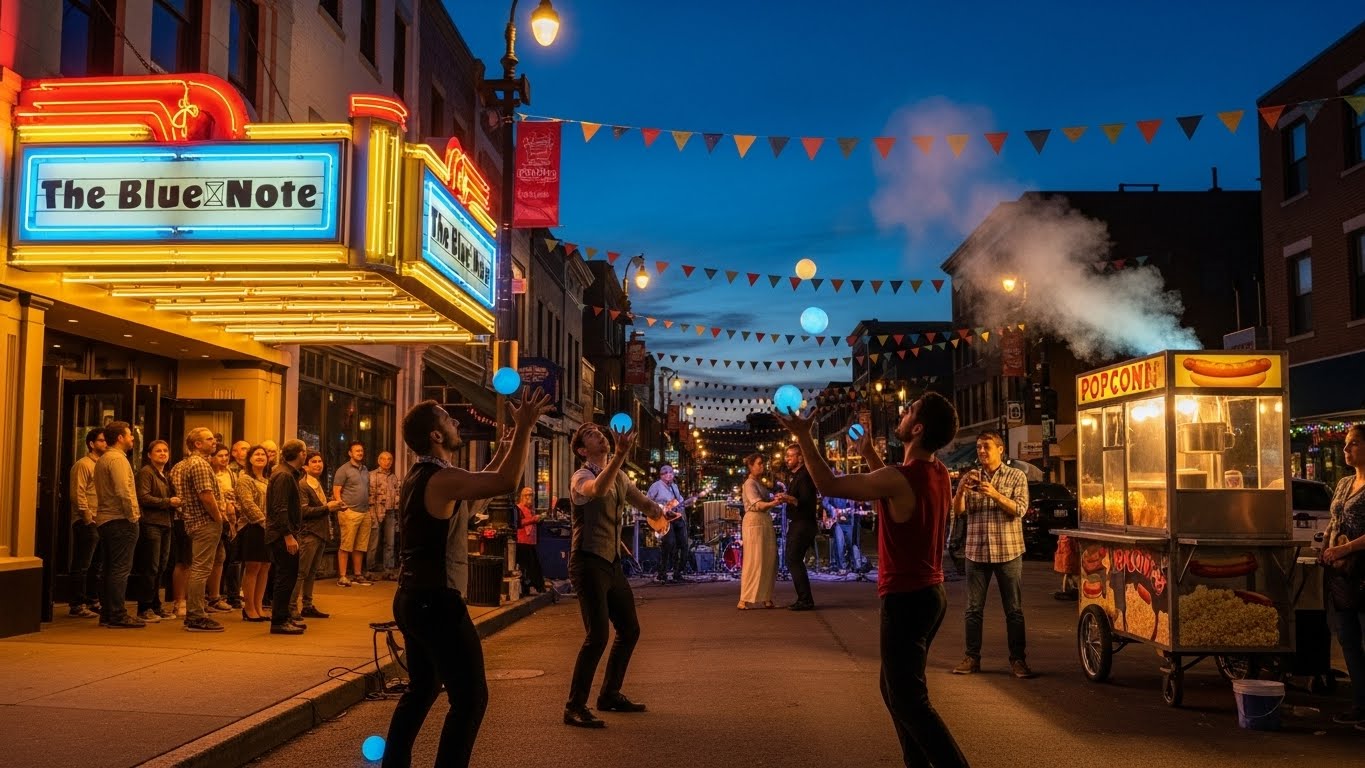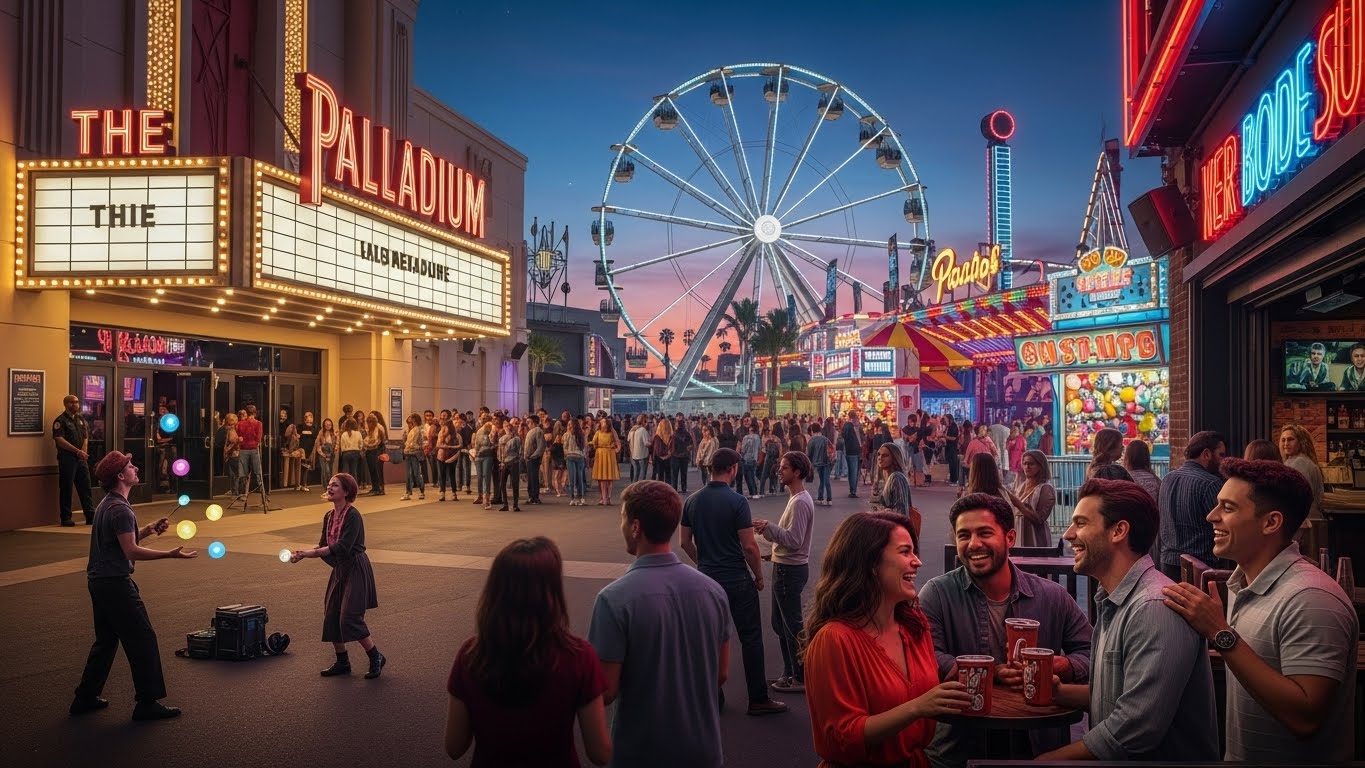
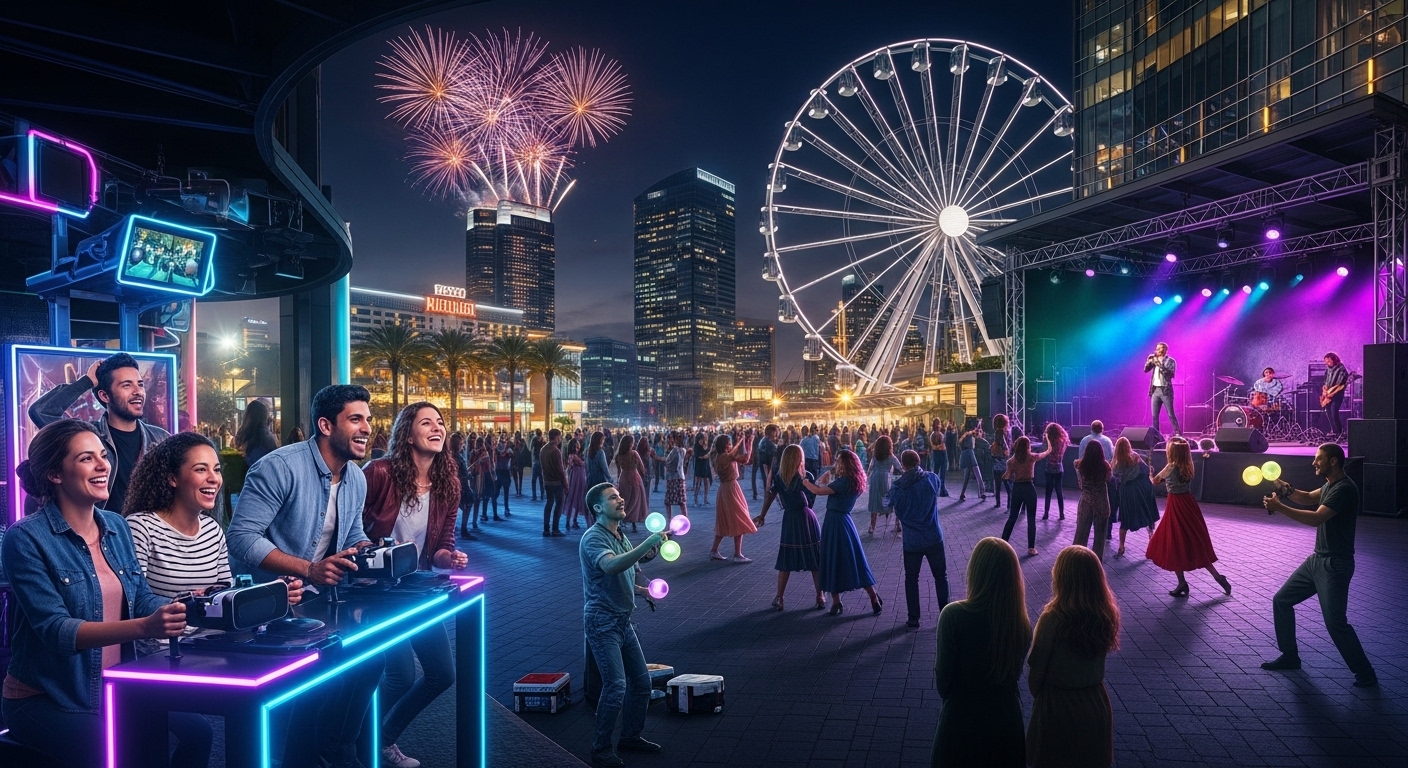
Entertainment is an essential part of human life. From ancient storytelling around fire pits to today’s digital streaming platforms, it has evolved dramatically while maintaining its core purpose: to engage, inspire, and provide enjoyment. It reflects culture, influences trends, and shapes societies. In this blog, we explore the world of entertainment, its historical roots, evolution, modern trends, and its profound impact on our lives.
The Origins of Entertainment: Stories That Shaped Humanity
Entertainment has existed since the dawn of civilization. Ancient humans found ways to amuse themselves, educate, and bond through storytelling, music, dance, and games. Early storytelling was a powerful tool for passing knowledge, teaching morals, and creating a sense of community. Cave paintings, oral traditions, and epic poems were among the first forms of entertainment, blending education with enjoyment.
Music and dance have always held significant roles. Ancient civilizations, including the Egyptians, Greeks, and Indians, integrated music into rituals, ceremonies, and daily life. Dance often accompanied these performances, conveying stories and emotions. This combination of narrative and performance laid the groundwork for modern theater and cinematic storytelling.
Games also played an essential role in ancient societies. From board games like Senet in Egypt to competitive sporting events in Greece and Rome, these activities entertained, fostered competition, and encouraged strategic thinking. The universality of play underscores how integral entertainment has been to human culture.
Theater and Performance: The Foundation of Modern Entertainment
Theater emerged as a formalized form of entertainment thousands of years ago, particularly in ancient Greece. The Greeks pioneered tragedies and comedies that explored human emotion, morality, and societal issues. These performances were not only entertaining but also educational, provoking thought and reflection.
During the Middle Ages, theater evolved into traveling performances, pageants, and plays often performed during festivals. Shakespeare, one of the most influential figures in theater history, brought depth, complexity, and universal themes to entertainment. His works remain performed and adapted globally, showcasing the timeless nature of storytelling.
Live performance has endured despite the rise of movies and television. Music concerts, comedy shows, and theater productions continue to captivate audiences, proving that the connection between performer and viewer is irreplaceable. The shared experience of live entertainment creates an emotional resonance that recorded media cannot replicate.
The Golden Age of Film: Hollywood’s Rise
The invention of motion pictures transformed entertainment entirely. In the early 20th century, silent films captivated audiences, demonstrating that visual storytelling could transcend language barriers. Iconic figures such as Charlie Chaplin and Buster Keaton pioneered the art of comedy, while directors experimented with cinematic techniques that would define the medium for decades.
The introduction of sound in the late 1920s, known as “talkies,” revolutionized the industry. Movies like The Jazz Singer integrated dialogue and music, enhancing immersion and emotional impact. Hollywood emerged as the entertainment capital of the world, producing films that shaped global culture.
During the Golden Age of Hollywood, studios dominated film production, creating iconic genres like musicals, westerns, and film noir. Stars such as Marilyn Monroe, Humphrey Bogart, and Audrey Hepburn became cultural icons. The movies of this era were more than entertainment; they reflected societal values, dreams, and conflicts, often influencing public opinion.
Television: Entertainment Enters the Home
Television transformed the accessibility of entertainment. By bringing shows, news, and live events into homes, TV created a new level of intimacy with audiences. Early programs like variety shows, sitcoms, and dramas became daily rituals for families, shaping social norms and shared cultural experiences.
The evolution of television programming has mirrored technological advancements. From black-and-white broadcasts to high-definition digital displays, TV has continuously adapted to maintain viewer engagement. Iconic shows like I Love Lucy, Friends, and Game of Thrones have left indelible marks on culture, illustrating how serialized storytelling can unite millions of viewers around shared experiences.
Television also democratized entertainment, providing a platform for diverse voices and perspectives. News, talk shows, and documentaries gave audiences access to information and storytelling from around the world, broadening horizons while entertaining.
Music: The Universal Language of Entertainment
Music is arguably the most universal form of entertainment. It transcends borders, cultures, and languages, evoking emotions that words alone cannot convey. From classical compositions to modern pop, music entertains while connecting people on a deeply emotional level.
Technological advancements have profoundly influenced music. The invention of recorded sound, radio, and streaming platforms has made music more accessible than ever. Artists can reach global audiences instantly, while listeners can explore endless genres and styles with ease.
Live performances remain central to the music experience. Concerts and festivals create communal experiences where fans share passion and emotion. Music not only entertains but also serves as a vehicle for social commentary, identity, and cultural expression, illustrating its multifaceted role in society.
Gaming: A New Frontier in Entertainment
Gaming has become one of the fastest-growing forms of entertainment. Video games, once a niche hobby, now engage millions of people worldwide, offering interactive experiences unlike any other medium. Unlike passive entertainment, games require participation, skill, and strategy, making them deeply immersive.
The evolution of gaming has been remarkable. Early arcade games captivated players with simple mechanics, while modern games offer intricate narratives, hyper-realistic graphics, and vast open worlds. Genres such as role-playing, strategy, and first-person shooters cater to diverse audiences, while mobile gaming has expanded accessibility to casual players.
Online gaming has fostered social interaction on a global scale. Multiplayer games connect friends, strangers, and communities, while esports competitions turn gaming into a spectator sport with professional leagues, tournaments, and international recognition. Gaming is no longer simply a pastime; it is a cultural phenomenon that merges creativity, technology, and competition.
Digital Streaming: The On-Demand Era
Digital streaming has redefined entertainment consumption. Platforms that deliver movies, TV shows, and music on-demand have given audiences unprecedented control over what, when, and how they consume content. This shift has challenged traditional models of broadcasting, allowing for personalized and interactive experiences.
Streaming services have also empowered creators by providing platforms for niche content and independent productions. Viewers can now explore a vast array of genres, from documentaries to experimental films, fostering diversity and innovation in entertainment. The digital era has made entertainment more accessible, convenient, and diverse than ever before.
Social Media and Entertainment Convergence
Social media has emerged as a powerful entertainment platform, blending content creation, community interaction, and instant sharing. Short-form videos, live streams, and influencer-driven content have become dominant forms of entertainment, particularly among younger audiences.
Platforms like TikTok, Instagram, and YouTube have transformed everyday life into a source of entertainment. Individuals can now become content creators, sharing experiences, humor, and talent with global audiences. This convergence of entertainment and social interaction demonstrates the evolving nature of how we consume and create media.
The Psychological and Social Impact of Entertainment
Entertainment is not merely a form of leisure; it has profound psychological and social effects. Engaging with stories, music, or games can reduce stress, inspire creativity, and improve mental well-being. It provides a temporary escape from daily routines while stimulating imagination and empathy.
Moreover, entertainment fosters connection and community. Shared experiences, whether watching a popular show or attending a concert, create bonds among people. Entertainment also serves as a mirror for society, reflecting cultural values, trends, and issues, and often sparking conversation and critical thought.
The Future of Entertainment: Innovation and Immersion
The future of entertainment promises to be more immersive, interactive, and technologically driven. Virtual reality, augmented reality, and artificial intelligence are transforming how we experience media. VR and AR offer opportunities to explore alternate realities, interact with virtual worlds, and experience storytelling in entirely new ways.
Artificial intelligence is also enhancing personalization, creating content tailored to individual preferences. Interactive storytelling, adaptive games, and AI-generated music or art could redefine creativity, blurring the lines between creators and audiences.
Sustainability and accessibility are likely to shape the future of entertainment. As audiences become more conscious of environmental and social impacts, creators are exploring eco-friendly production methods, diverse representation, and inclusive experiences. The entertainment industry will continue to adapt, ensuring that it remains engaging, relevant, and meaningful for generations to come.
Conclusion: Entertainment as a Reflection of Humanity
Entertainment is a powerful force that evolves alongside humanity. It has transitioned from storytelling around fire pits to immersive digital worlds, yet its purpose remains constant: to engage, inspire, and connect. Whether through theater, film, music, gaming, or digital media, entertainment reflects our values, challenges our imagination, and brings joy to our lives.
As technology advances and audiences demand more immersive and personalized experiences, the entertainment landscape will continue to transform. One thing is certain: the human desire for creativity, connection, and enjoyment ensures that entertainment will remain an essential part of life, continually shaping and reflecting our shared cultural journey.