Entertainment has become more than a way to pass the time. In today’s fast paced and highly connected world, it has grown into a cultural force that shapes identities, influences decisions, and creates global communities. From streaming platforms and blockbuster films to online gaming arenas and social media trends, the entertainment landscape is constantly evolving. This blog explores the new era of escapism and how the entertainment we consume reflects who we are, what we value, and where society is heading.
The Rise of Personalized Entertainment
The days of waiting for a weekly TV episode or relying on a limited library of movies are long gone. With modern platforms offering thousands of choices at our fingertips, entertainment has become deeply personal. Algorithms now analyze our viewing habits, preferences, and even our moods to suggest content tailored specifically to us.
Personalized entertainment has changed how we interact with media. Instead of passively accepting whatever is available, viewers actively curate their entertainment experience. This shift has empowered audiences by giving them control over what they watch and when they watch it. At the same time, it has also created a challenge. With limitless options comes decision fatigue. Choosing a show or film can sometimes feel overwhelming, but it is a sign of how diverse and rich the entertainment world has become.
Streaming and the Global Storytelling Revolution
Streaming platforms have also revolutionized storytelling. Content from different countries and cultures is now accessible to global audiences within seconds. A series produced in one corner of the world can quickly become an international sensation, transforming unknown actors into worldwide stars and bringing fresh perspectives to mainstream entertainment.
This global storytelling phenomenon has expanded the range of narratives we consume. We are no longer limited to local stories or familiar genres. Instead, we explore diverse cultures, languages, and themes through entertainment. This has helped bridge cultural gaps and create a shared understanding among global audiences. Viewers now appreciate different storytelling styles, from the emotional intensity of Asian dramas to the humor of European comedies and the creativity of fantasy epics from across the world.
The New Age of Fandom
Entertainment has always sparked passion, but fandom today operates on an entirely different scale. Thanks to the internet, fans worldwide connect instantly, forming communities around their favorite movies, shows, games, and celebrities. These fan communities are powerful. They influence trends, shape public conversations, and even affect entertainment production.
Fans no longer remain silent consumers. They voice their opinions on casting choices, storylines, and even marketing decisions. Some creators actively listen to fan feedback, adjusting their work to better align with audience expectations. Fandom, once a personal hobby, has turned into a collective cultural force that propels entertainment forward.
The Gaming Explosion and the Rise of Interactive Worlds
Gaming has become one of the most influential forms of entertainment in modern society. What was once considered a niche hobby has grown into an industry rivaling films and music in global impact. Games today are not just about winning or leveling up. They offer immersive worlds, complex narratives, and opportunities for social interaction.
Online multiplayer games and virtual spaces have created communities where players collaborate, compete, and form real friendships. As technology advances, gaming continues to blur the lines between the digital and the real world. Virtual reality and augmented reality experiences bring players closer to the action than ever before, making gaming more engaging and interactive.
The impact of gaming extends beyond entertainment. It influences fashion, music, film, and even education. Game inspired trends and innovations are shaping the future of how we learn, work, and communicate.
The Power of Social Media in Shaping Entertainment
Social media has redefined entertainment consumption and creation. Platforms that once served as simple communication tools have evolved into spaces where trends are born, influencers rise, and content goes viral within hours. Entertainment is no longer confined to traditional media. A simple dance challenge, a short comedic clip, or a heartfelt story posted online can captivate millions.
Celebrities and creators use social media to engage directly with their audiences. This direct connection has transformed the relationship between entertainers and fans. It has removed the distance once created by traditional media, making celebrities more accessible and relatable.
Social media has also opened the door for new talent. Many rising stars began their careers by posting content online. With creativity, consistency, and a bit of luck, anyone can become an influencer or entertainer in this digital age. This democratization of entertainment has changed how talent is discovered and celebrated.
The Revival of Classic Genres and Nostalgia Based Entertainment
Despite an abundance of modern content, audiences continue to find comfort in nostalgia. Classic films, retro games, beloved characters from the past, and rebooted shows often experience resurgences in popularity. The appeal of familiar stories and aesthetics reflects a desire for emotional connection and simplicity in a complex world.
Nostalgia based entertainment does more than just remind us of our childhood. It brings generations together. Parents share old favorites with their children, creating a shared experience across age groups. Producers and creators recognize the power of nostalgia, and many are reimagining classics in fresh and creative ways for modern viewers.
Music at the Heart of Modern Entertainment
Music remains a central pillar of entertainment. While trends in movies and shows shift rapidly, music consistently influences culture, inspires creativity, and connects people universally. The modern music industry is more dynamic than ever. New artists emerge daily, genres evolve constantly, and listeners have the freedom to explore limitless musical styles.
Streaming has changed how we discover music. Playlists shaped by mood, activity, or genre help listeners find new sounds effortlessly. Collaborations between artists from different cultures have become increasingly popular, leading to unique musical fusions that appeal to global audiences.
Music also plays a vital role in other entertainment forms. Soundtracks elevate movie scenes, enhance emotional tension in games, and bring energy to live events. The influence of music on entertainment is undeniable and continues to shape the way we experience stories and emotions.
Live Entertainment’s Triumphant Comeback
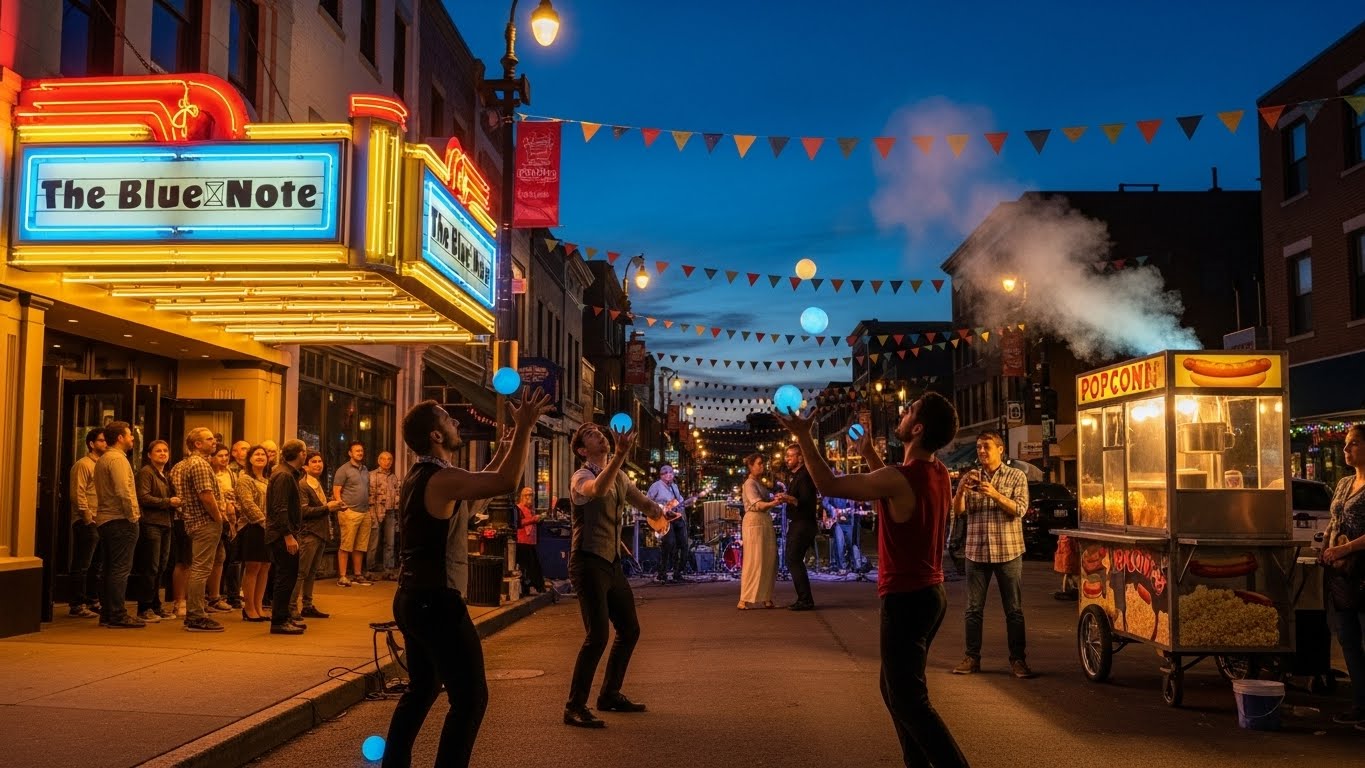
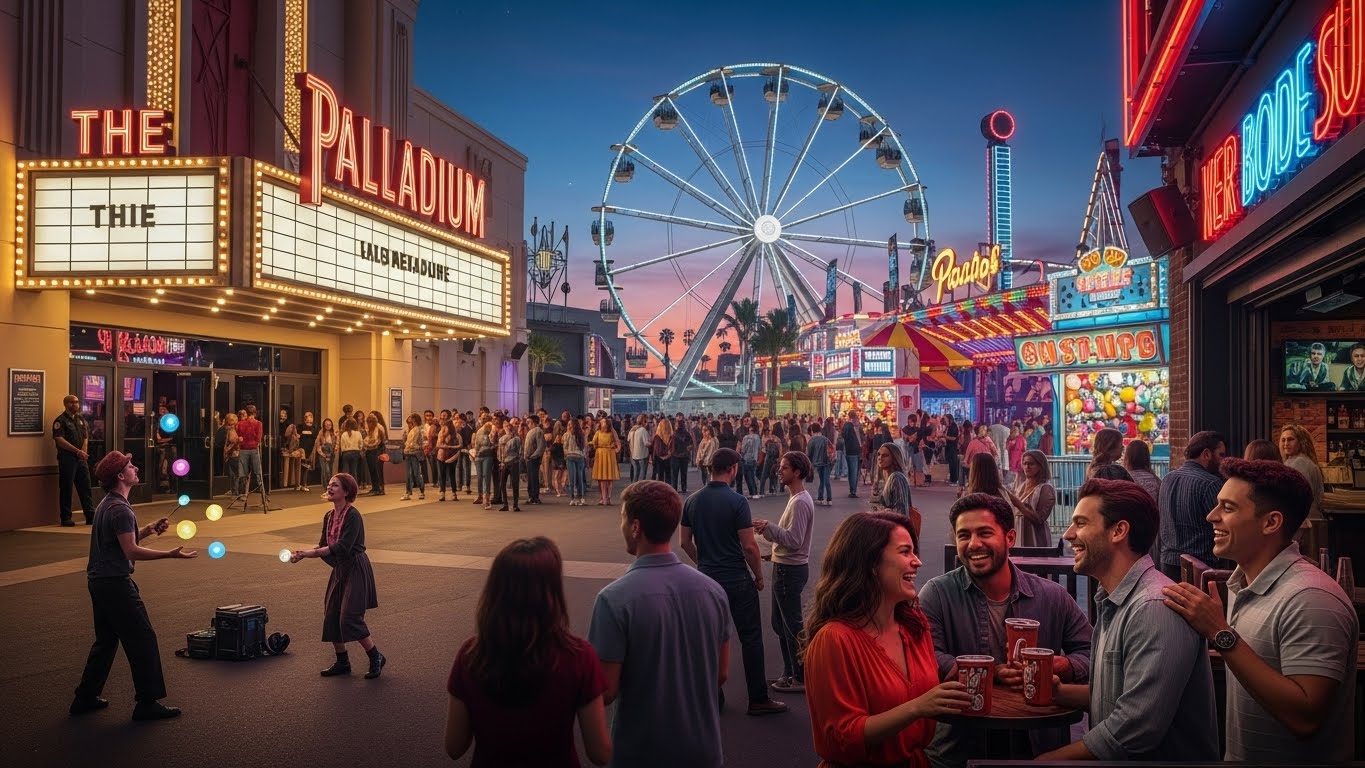
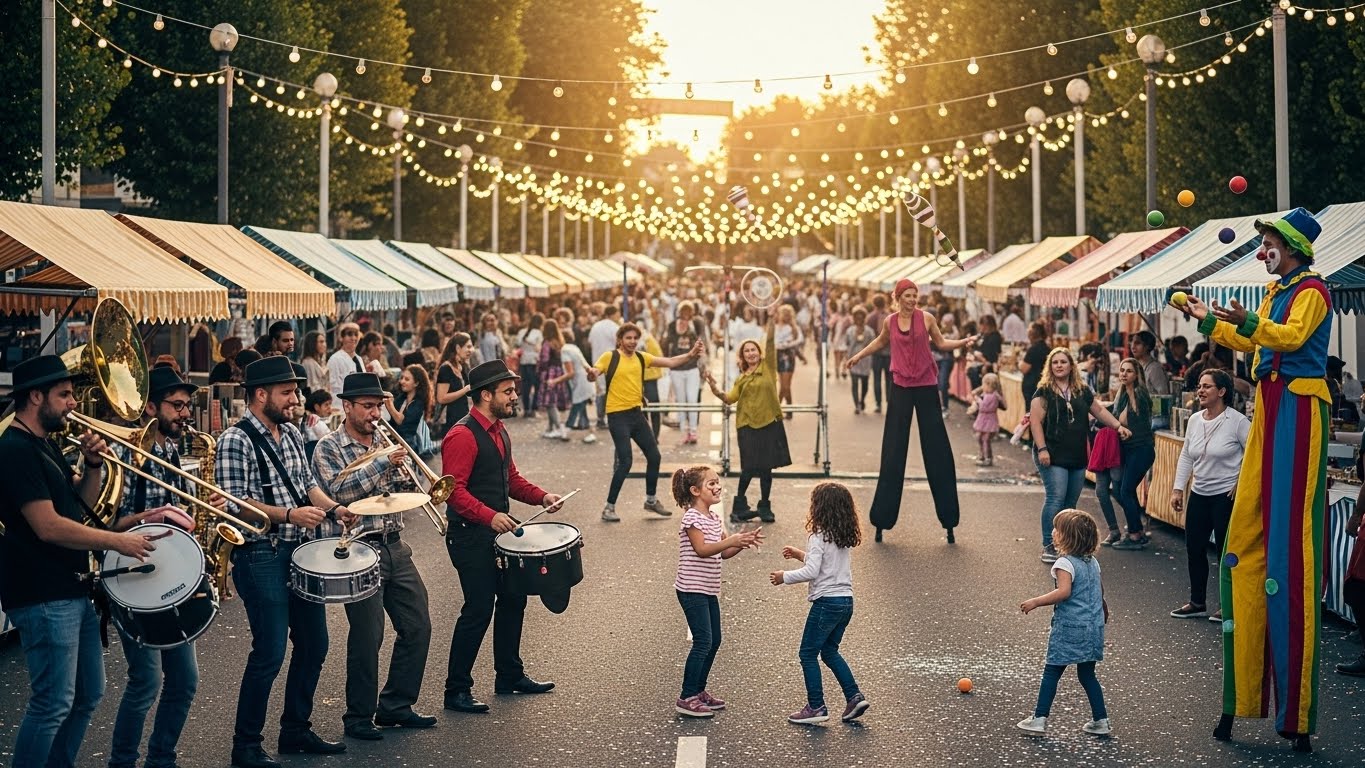
After years of digital dominance, live entertainment has made a strong comeback. Concerts, theater performances, festivals, and stand up comedy shows are once again drawing huge crowds. Audiences crave the energy and authenticity that only live events can provide.
Live entertainment offers something that streaming and digital experiences cannot replicate. The shared excitement, human connection, and emotional atmosphere make every performance unique. Performers thrive on audience reactions, and spectators enjoy the spontaneity and rawness of live shows.
This resurgence highlights an important truth. Despite technological advancements, people still value real life experiences. Entertainment, at its core, is about connection, emotion, and shared memories.
The Future of Entertainment: What Comes Next
Looking ahead, the future of entertainment promises even more innovation. Trends suggest that storytelling will continue expanding across multiple platforms. A single narrative might begin as a novel, evolve into a film, extend through a game, and inspire interactive online experiences.
Technology will also play a major role. Artificial intelligence is already influencing content creation, from scriptwriting assistance to visual effects. Virtual and augmented reality will continue pushing boundaries, offering new forms of immersive entertainment. Personalized experiences will grow even more refined, adapting not just to our preferences but to our emotions.
Despite these advancements, one thing will remain constant. Entertainment will continue reflecting human imagination, creativity, and desire for connection. Whether through digital screens or live performances, storytelling will always hold a special place in our lives.
Conclusion
We are living in a remarkable era of entertainment. It has become more diverse, accessible, and interactive than ever before. From global streaming phenomena and passionate fan communities to the rise of gaming and social media stardom, entertainment today is a powerful reflection of culture and technology.
As we move into the future, entertainment will continue to evolve, bringing new ways to escape, connect, and experience the world. But its essence will remain the same. It will always be a source of joy, inspiration, comfort, and creativity. In the end, entertainment is more than just something we consume. It is a part of who we are.