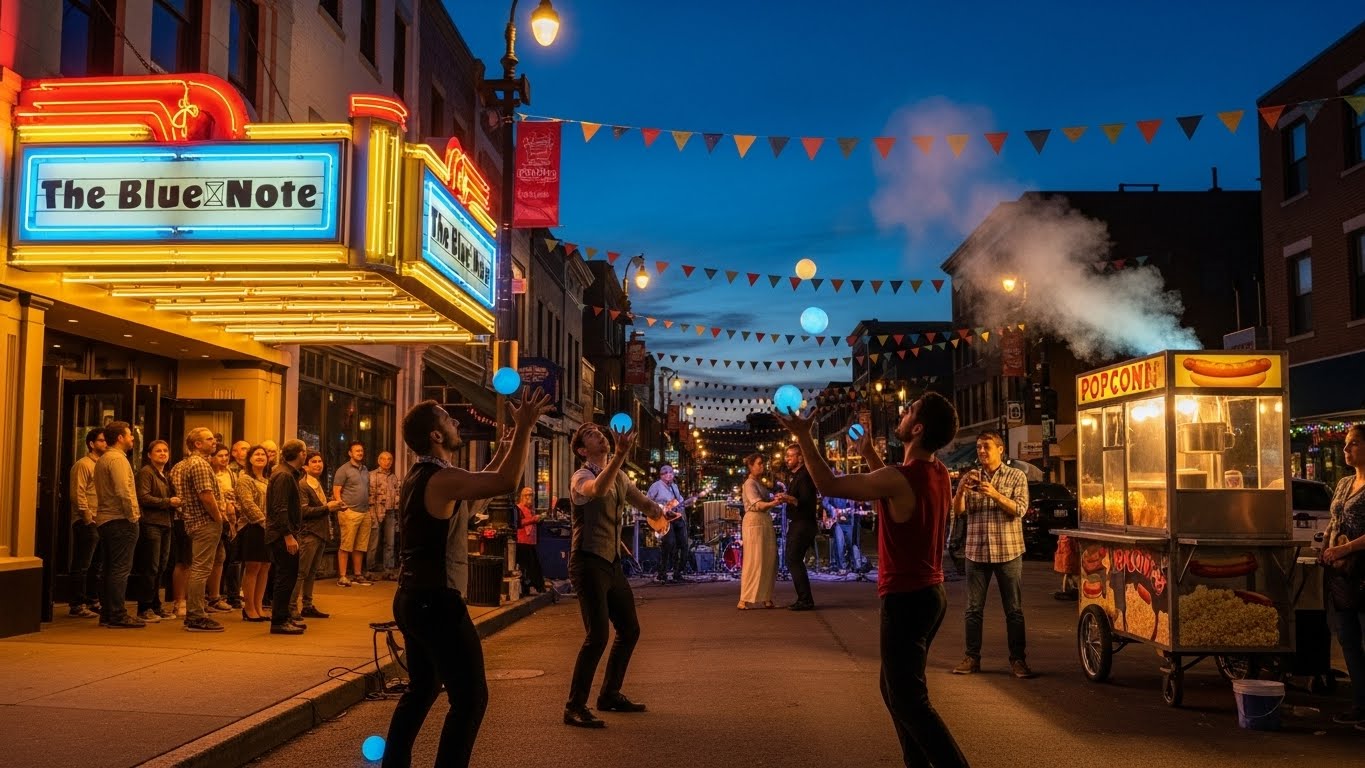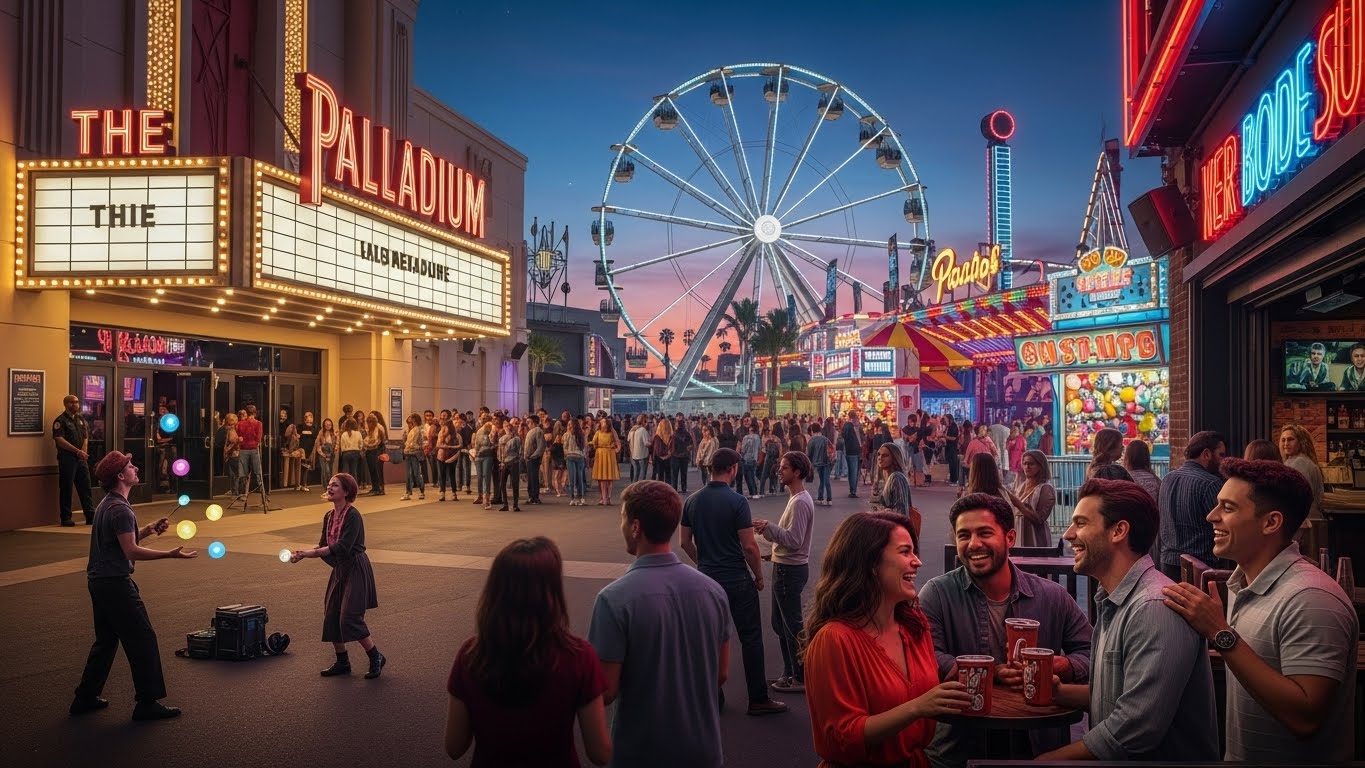

Entertainment is an essential part of human life. It allows people to relax, escape from daily stress, connect with others, and explore creativity. From ancient storytelling around campfires to today’s immersive digital experiences, entertainment has evolved to reflect cultural trends, technological advancements, and societal shifts.
This blog explores the history of entertainment, its role in society, the impact of technology, the rise of modern media, and the ways it continues to shape culture and human experience.
The Origins of Entertainment
Entertainment has existed for as long as humans have communicated. Early societies relied on oral storytelling, music, and dance to pass down knowledge, share experiences, and bond communities. These activities were not only enjoyable but also served educational and cultural purposes.
Ancient civilizations such as Greece, Rome, and Egypt developed theatrical performances, gladiatorial games, and public spectacles. These forms of entertainment reflected societal values, reinforced social hierarchies, and provided communal experiences that united people across classes and backgrounds.
Storytelling and the Arts
Storytelling remains at the heart of entertainment. Through literature, theater, and visual arts, humans explore emotions, morals, and imagination. Plays, novels, and paintings allow audiences to experience new perspectives, empathize with characters, and engage in reflective thought.
The arts provide both personal and societal insight. Music, dance, and theater evoke emotions and communicate cultural identity. Storytelling enables societies to preserve history, express creativity, and foster a sense of belonging. Even as technology advances, the fundamental desire for narrative remains a cornerstone of entertainment.
The Rise of Film and Television
The 20th century introduced cinema and television, revolutionizing how people consume entertainment. Movies allowed stories to be told with visual realism, sound, and dramatic effect, reaching audiences on an unprecedented scale. Television brought entertainment directly into homes, making it accessible to the masses.
Film and television also influenced culture, fashion, and social norms. Iconic movies and shows shaped public opinion, sparked trends, and created global celebrities. The entertainment industry’s ability to engage millions simultaneously established it as a powerful cultural and economic force.
Music and Popular Culture
Music has long been central to entertainment, reflecting societal moods, traditions, and movements. From classical compositions to contemporary genres like rock, pop, and hip-hop, music entertains while inspiring creativity and self-expression.
Music also fosters social connection. Concerts, festivals, and live performances bring people together, creating shared experiences and lasting memories. Popular music often intersects with other entertainment forms, including film, dance, and digital media, influencing culture on a global scale.
Gaming as Entertainment
Video games have emerged as a major form of entertainment, blending storytelling, interactivity, and social engagement. Modern games offer immersive worlds, strategic challenges, and opportunities for creativity. They engage players through narrative, exploration, and problem-solving, appealing to diverse age groups.
Gaming also fosters community. Online multiplayer games and esports allow people to connect, compete, and collaborate across the world. This interactive form of entertainment continues to grow rapidly, shaping the future of digital engagement and redefining leisure activities.
Digital Platforms and Streaming
The digital revolution has transformed entertainment consumption. Streaming platforms provide instant access to movies, music, television, and live performances. Audiences no longer rely solely on scheduled programming; they can choose content anytime, anywhere.
Social media also plays a role in entertainment, enabling creators to share content with global audiences. User-generated videos, podcasts, and live streams empower individuals to become entertainers, expanding the definition of media and challenging traditional industry structures.
Theater and Live Performances
Despite technological advances, live performances remain a cherished form of entertainment. Theater, dance, and concerts offer immersive, tangible experiences that cannot be replicated digitally. The energy of a live audience and the spontaneity of performance create a unique emotional connection between performers and spectators.
Live entertainment also supports local economies and communities, providing employment for artists, technicians, and event organizers. Festivals, tours, and cultural performances celebrate artistic talent and foster social interaction, keeping traditional forms of entertainment relevant in modern society.
Comedy and Humor
Comedy has always been a vital component of entertainment. Humor entertains while offering social commentary, relieving stress, and promoting mental well-being. Stand-up performances, sitcoms, and online sketches allow people to laugh, reflect, and connect through shared experiences.
Humor also adapts to cultural shifts, addressing contemporary issues in ways that resonate with audiences. In digital spaces, comedy spreads rapidly, engaging millions and influencing social trends. Its enduring appeal highlights the universal human desire for joy and laughter.
Entertainment and Technology
Technology has revolutionized entertainment by enhancing accessibility, immersion, and creativity. Virtual reality and augmented reality offer new ways to experience content, from interactive games to immersive films and educational experiences. High-definition visuals, surround sound, and advanced animation create realistic and captivating experiences.
Artificial intelligence also influences entertainment. AI-driven recommendations, personalized playlists, and content creation tools allow for tailored experiences that match individual preferences. Technology enables both creators and consumers to interact with entertainment in innovative and meaningful ways.
The Economic Impact of Entertainment
The entertainment industry is a major economic driver, generating revenue through media production, live events, tourism, merchandise, and digital platforms. Film studios, music labels, game developers, and streaming services employ millions worldwide.
Entertainment also stimulates local economies through events, theaters, festivals, and concerts. Its influence extends beyond direct revenue, impacting advertising, technology development, fashion, and cultural tourism, demonstrating the multifaceted role of entertainment in society.
Cultural Significance and Social Impact
Entertainment reflects societal values, inspires creativity, and influences culture. It brings people together, celebrates diversity, and provides a platform for voices that might otherwise go unheard. Through storytelling, music, and digital media, entertainment fosters empathy, challenges perceptions, and sparks dialogue.
It also acts as a mirror of society, highlighting social issues, historical events, and human experiences. Entertainment has the power to educate, inspire, and unite communities while shaping collective identity and cultural heritage.
Trends Shaping the Future of Entertainment
The future of entertainment is increasingly digital, interactive, and immersive. Artificial intelligence, virtual reality, and interactive content will create personalized experiences that engage audiences in new ways. Streaming platforms, social media, and mobile technology will continue to expand access and redefine consumption habits.
Entertainment will also become more inclusive and diverse, reflecting a broader range of perspectives and experiences. Creative collaboration across industries—such as gaming, film, music, and technology—will generate innovative content, ensuring entertainment remains dynamic and relevant.
Challenges in the Entertainment Industry
Despite its benefits, the entertainment industry faces challenges. Piracy, digital security, and intellectual property issues impact creators and businesses. Rapid technological changes require continuous adaptation, while audience attention spans and preferences evolve quickly.
Mental health concerns among creators, such as stress and burnout, are also emerging issues. Balancing innovation, accessibility, and sustainability will be essential for the industry to thrive while maintaining quality and artistic integrity.
Conclusion
Entertainment is a dynamic and evolving part of human life. From ancient storytelling and live performances to digital games and streaming platforms, it shapes culture, connects communities, and inspires creativity. It reflects societal values, fosters emotional well-being, and drives economic growth, demonstrating its multifaceted significance.
Technology continues to transform entertainment, enhancing accessibility, immersion, and interactivity. Gaming, streaming, live performances, and digital media provide diverse avenues for enjoyment, engagement, and expression. As the industry evolves, it will continue to influence culture, inspire innovation, and connect people across the globe.
Entertainment is more than a pastime—it is a reflection of humanity’s creativity, curiosity, and desire for connection. By embracing both tradition and innovation, it will remain a vital force that shapes society, enriches lives, and offers endless possibilities for exploration and enjoyment.