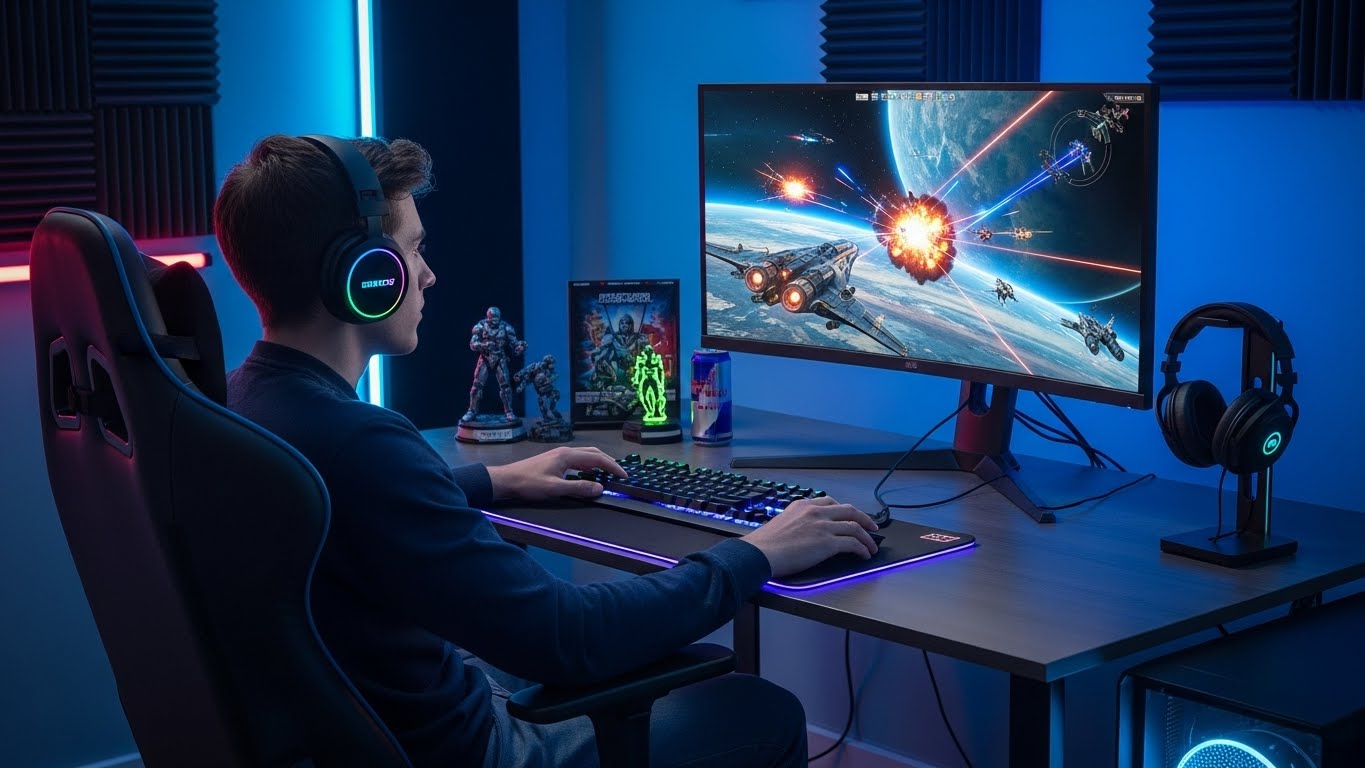
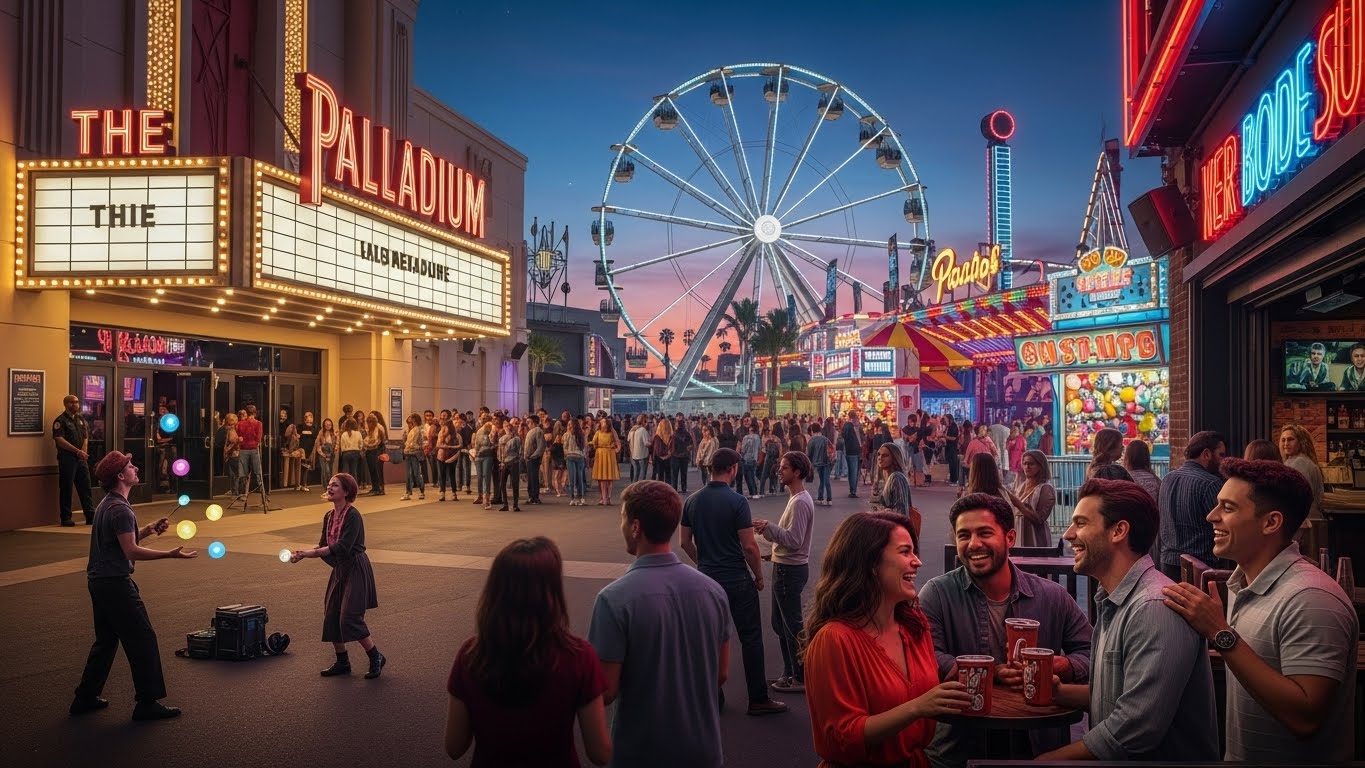
Entertainment has always been a central part of human culture. Whether through music, storytelling, theater, or games, the desire to escape reality and experience something exciting, funny, or emotional is ingrained in us. But in today’s world, entertainment is changing faster than ever before, largely due to advances in technology. From virtual reality to streaming services, the landscape of fun and leisure is constantly evolving. In this blog post, we will explore how technology is reshaping entertainment, the impact it has on our lives, and what the future may hold.
The Shift From Physical to Digital: The Age of Streaming
For decades, entertainment was closely tied to physical media. We bought DVDs and Blu-rays to watch movies, went to the cinema to see the latest releases, and purchased CDs to listen to music. However, over the last 15 years, there has been a dramatic shift toward digital platforms. Streaming services such as Netflix, Spotify, and YouTube have revolutionized how we consume entertainment.
With streaming, consumers have access to an unlimited library of content at the touch of a button. Gone are the days when we had to wait for our favorite TV show to air on a specific day and time. Now, we can binge-watch an entire season in one weekend, pausing and rewinding whenever we want. This shift has not only changed how we consume content but also the way content is created. Streaming platforms are driving the demand for high-quality, original programming, which has led to the golden age of television and an explosion of diverse films and series.
In addition, music has gone through a similar transformation. Services like Spotify and Apple Music have made music more accessible than ever, and users can explore millions of songs without ever needing to buy an album or download a track. Even podcasts, once considered niche, have become a mainstream form of entertainment thanks to their digital accessibility.
Virtual and Augmented Reality: The Future of Immersive Experiences
While streaming services have made entertainment more accessible, the next big leap in entertainment technology is immersive experiences through virtual reality (VR) and augmented reality (AR). These technologies are not just about gaming but are expanding into many areas of entertainment, including live performances, movies, and interactive storytelling.
Virtual reality allows users to step into entirely new worlds. Whether it’s exploring an alien planet, living out an action-packed adventure, or attending a concert from the comfort of your living room, VR can transport users into an entirely new reality. VR gaming, such as titles available on platforms like the Oculus Rift and PlayStation VR, is becoming increasingly popular, offering gamers experiences that are far beyond traditional console gaming.
Augmented reality, on the other hand, overlays digital elements onto the real world. Games like Pokémon Go have already introduced AR to millions, encouraging players to interact with their surroundings in a completely new way. But beyond gaming, AR has the potential to revolutionize other forms of entertainment. Imagine watching a live concert and having AR elements enhance the show—visual effects, interactive features, and live polls all integrated into your experience.
With VR and AR, the line between reality and entertainment continues to blur, creating more personalized and engaging experiences. As the technology becomes more advanced and accessible, we can expect these forms of entertainment to become more commonplace, potentially even replacing traditional media consumption methods.
The Rise of Interactive Entertainment
Another exciting shift in the entertainment world is the rise of interactive experiences. This isn’t just about choosing the next chapter in a story, but about giving the audience more agency and involvement in the creation of the narrative. Interactive entertainment can take many forms, including video games, interactive films, and live-streamed events.
Video games, for example, have become some of the most influential forms of entertainment in the modern age. Games like “The Witcher 3: Wild Hunt” and “Red Dead Redemption 2” provide expansive worlds where players have the freedom to explore and shape their own experiences. With multiplayer online games like Fortnite and Minecraft, players collaborate or compete with others in real-time, creating a global community of gamers.
Interactive films are also gaining popularity. Netflix has experimented with this concept with shows like “Black Mirror: Bandersnatch” and “You vs. Wild,” where viewers can make choices that influence the direction of the story. This level of interactivity allows audiences to feel more connected to the content, giving them a sense of control over the narrative. As the technology improves, we may see more interactive films and television shows that allow users to make real-time decisions that affect the plot, character interactions, and even the ending.
Live-streaming is another form of interactive entertainment that has exploded in popularity, especially through platforms like Twitch and YouTube. Fans can watch their favorite streamers play video games, engage in conversations, or even perform music live. What makes live streaming unique is the ability to interact directly with the streamer through comments, tips, and donations. This real-time connection has created an entirely new way for people to engage with their favorite entertainers.
The Impact of Social Media: Turning Fans Into Creators
While traditional entertainment was once dominated by a small group of creators—writers, actors, directors, and musicians—the advent of social media has democratized the industry. Platforms like Instagram, TikTok, YouTube, and Twitter have enabled anyone with a smartphone to create and share content, turning fans into creators.
TikTok, in particular, has exploded as a platform where users can create short-form videos that entertain, educate, or inspire. What’s remarkable about TikTok is how it blurs the line between professional entertainers and everyday users. While established celebrities still enjoy massive followings, many viral creators have come from non-traditional backgrounds and have gained huge audiences by creating unique and relatable content. In some ways, social media has given birth to a new wave of “citizen entertainers.”
YouTube, once a platform for uploading casual vlogs and amateur videos, has transformed into a massive ecosystem of professional content creators. The platform is home to influencers, beauty gurus, gamers, tech reviewers, and many other niches, with millions of viewers tuning in daily. YouTube has become a serious career path for many, with creators earning money through ads, sponsorships, and fan donations.
The rise of social media and user-generated content has also reshaped how entertainment is marketed. Instead of relying solely on traditional advertising or media outlets, entertainment brands now harness the power of social media influencers and viral campaigns to reach younger, tech-savvy audiences. Social media has allowed fans to participate in the creation and promotion of entertainment, making the entire experience more interactive and personal.
The Future of Entertainment: AI, Deepfakes, and Personalized Content
As technology continues to evolve, the future of entertainment looks both exciting and somewhat uncertain. One area where we are likely to see significant change is in the development of artificial intelligence (AI). AI is already being used to create personalized recommendations for movies, music, and even news. But in the near future, AI could potentially help create content, write scripts, or even generate realistic deepfake performances.
Imagine a world where AI-generated actors can star in films, or AI-driven scripts are written and adjusted in real time to suit audience preferences. While this raises ethical concerns, it could also democratize filmmaking and television production, lowering costs and enabling anyone to create high-quality entertainment. Deepfake technology, which has been used for everything from creating realistic digital twins of celebrities to recreating historical figures, could become a tool in filmmaking, allowing directors to resurrect deceased actors or cast actors in roles without needing to physically appear on set.
Another area of rapid innovation is in personalized content. Streaming platforms like Netflix already use algorithms to recommend movies based on our viewing history, but this is just the beginning. In the future, entertainment could be fully tailored to an individual’s preferences, with dynamic content that evolves based on your reactions, choices, or even your mood. AI-driven virtual assistants could curate entertainment schedules for you, picking shows, movies, and music that are perfectly suited to your tastes.
Conclusion: Embracing Change in the World of Entertainment
Entertainment has always reflected the desires, needs, and cultural trends of society, and as technology continues to evolve, so too will the ways in which we experience it. Streaming services have made content more accessible, VR and AR are pushing the boundaries of immersive entertainment, and social media has created an entirely new wave of creators and fans. The future of entertainment holds exciting possibilities, from AI-generated films to personalized content experiences, and it’s only just beginning.
While this rapid shift in entertainment may seem overwhelming at times, it’s also an exciting opportunity for both creators and consumers. The blend of technology and creativity is reshaping the industry in ways we couldn’t have imagined just a decade ago, and there’s no telling where it will take us in the years to come. The key is to embrace change, stay curious, and enjoy the ever-evolving world of entertainment as it unfolds.