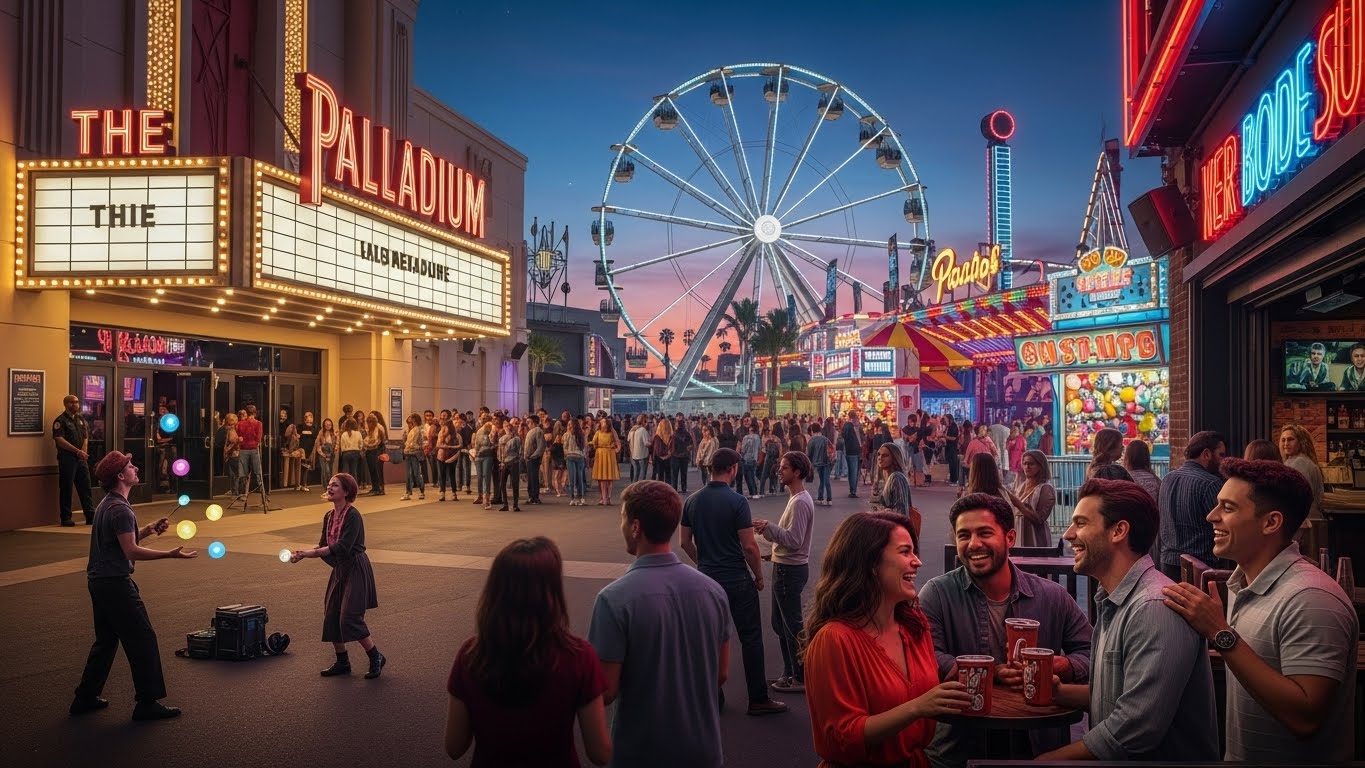

Entertainment has always been a cornerstone of human life, offering respite from daily struggles and an outlet for creative expression. From the ancient rituals and live performances to today’s immersive digital experiences, the ways we engage with entertainment have drastically evolved over the centuries. The advent of new technologies has continuously reshaped how we experience fun, leisure, and cultural connection. In this blog post, we will explore the fascinating evolution of entertainment, examining its history, the impact of technology, and how it continues to shape our lives today.
The Origins of Entertainment: Rituals, Storytelling, and Early Art Forms
Long before the advent of television or cinema, humans had found various ways to entertain themselves. Early forms of entertainment were often tied to survival, culture, and community bonding. In ancient societies, rituals and celebrations played a central role in social life. These events were often held to honor gods, mark important milestones, or celebrate seasonal changes.
For instance, in Ancient Greece, theater became a major form of entertainment. Theaters were built to house large crowds, where playwrights like Sophocles and Euripides crafted powerful dramas and comedies that explored human nature, fate, and the gods. The art of storytelling—both oral and through performance—remains a timeless form of entertainment that continues to thrive in modern cinema, television, and literature.
In parallel, the use of music, dance, and visual art evolved as ways to entertain and communicate. These early forms of entertainment were not just about amusement but were deeply intertwined with culture, tradition, and the human need to express emotions.
The Rise of Print Media: A New Era of Entertainment
As civilizations advanced, so did their ability to capture and share entertainment. The invention of the printing press in the 15th century by Johannes Gutenberg marked a monumental shift. This innovation led to the mass production of books, pamphlets, and later, newspapers. Entertainment began to transition from being solely live or ritual-based to something people could consume individually and in private.
With the printing press, the written word became a dominant form of entertainment. Literature, poetry, and theater scripts became more accessible to the masses, and reading for leisure began to rise in popularity. The spread of newspapers, magazines, and serialized stories created a new form of entertainment that reached across social boundaries.
In the 19th century, the invention of photography and the emergence of newspapers with images further expanded the range of entertainment. People could now access visual content alongside written material, making entertainment richer and more diverse.
The Golden Age of Radio and the Birth of Mass Media
The 20th century heralded the rise of modern mass media, starting with the invention of the radio. The radio became the first medium that allowed people to experience live entertainment in their homes. Radio broadcasts brought news, music, plays, and comedy shows into people’s lives, providing an entirely new form of entertainment. This era marked the beginning of the “Golden Age of Radio” during the 1930s and 1940s, where iconic radio shows captivated listeners nationwide.
Radio allowed for a much wider range of content to be created and consumed. People could hear voices from around the world, whether it was a drama, a music performance, or news from distant places. This was an exciting time because it created a shared experience for people across the country, all tuned into the same broadcasts. The radio introduced the concept of the “show,” paving the way for later developments in television and internet streaming.
The Advent of Television: A Revolution in Home Entertainment
Television quickly became one of the most influential entertainment mediums of the 20th century. It combined both visual and auditory elements, providing a richer and more immersive experience than radio. By the 1950s, television had become a staple in most American households, and entertainment shifted dramatically with the introduction of visual storytelling.
From variety shows and sitcoms to the first major news broadcasts, television offered a new way to connect with entertainment. Early programming was often live and unscripted, but over time, scripted shows, cartoons, documentaries, and films began to dominate. Families now gathered around the TV set to watch weekly shows, making television a central part of domestic life.
In addition to shaping entertainment consumption, television helped shape cultural trends and societal norms. The shows and personalities that appeared on TV in the 1960s and 1970s—like I Love Lucy, The Twilight Zone, and The Ed Sullivan Show—became iconic pieces of American culture, influencing everything from fashion to social attitudes.
The Digital Revolution: The Internet and the Rise of Streaming
By the late 1990s, the internet began to revolutionize how people accessed entertainment. No longer confined to traditional media channels like television or radio, entertainment became more personalized and interactive. The early days of the internet saw the rise of online gaming, MP3 file sharing, and websites dedicated to movies, music, and TV shows.
However, the true revolution came with the advent of streaming services like Netflix, YouTube, and Spotify. These platforms fundamentally transformed the entertainment landscape by offering on-demand content to users, allowing them to access movies, TV shows, music, and podcasts whenever they wanted. No longer did people have to wait for a specific time to watch their favorite show or listen to a new album; the power of choice was in their hands.
Streaming also disrupted traditional models of media consumption. For instance, Netflix’s decision to release entire seasons of shows at once allowed viewers to binge-watch shows in a way that was previously unheard of. This shift in viewing habits had a profound impact on the entertainment industry, leading to a reimagining of how shows were produced and consumed.
The Rise of Interactive Entertainment: Gaming and Virtual Reality
In the 21st century, entertainment has become increasingly interactive, with the rise of video games and virtual reality (VR). Video games, once considered a niche hobby, have now become a multibillion-dollar industry. Games like Fortnite, Minecraft, and The Last of Us have become global phenomena, offering immersive experiences that blend storytelling, gameplay, and social interaction.
The evolution of gaming has gone hand in hand with advancements in technology. High-definition graphics, realistic sound design, and online multiplayer modes have all enhanced the immersive experience. Additionally, the rise of mobile gaming has made video games more accessible than ever, reaching players across the globe with a variety of devices.
Virtual reality (VR) represents the next frontier in interactive entertainment. With VR headsets, players can step into fully immersive worlds, interacting with their environment in ways that were once only dreamed of. VR has applications in gaming, entertainment, education, and even therapy, opening up new avenues for creativity and engagement.
Social Media and User-Generated Content: A New Age of Entertainment
The emergence of social media platforms has created a new dimension in entertainment. Platforms like Instagram, TikTok, and Twitter have turned ordinary users into content creators. This shift has democratized entertainment, giving people the tools to create and share their own content on a global scale.
TikTok, for example, has revolutionized how entertainment is consumed, with short, user-generated videos becoming the main form of entertainment for millions. These platforms have also provided new opportunities for artists, musicians, and influencers to reach a broad audience without the need for traditional media outlets.
Social media has made entertainment more personal and participatory, with users able to interact directly with creators, celebrities, and each other. This interaction has fostered new forms of community and connection, where users share common interests, collaborate on creative projects, and support one another.
The Future of Entertainment: AI, NFTs, and Beyond
Looking ahead, the future of entertainment is full of exciting possibilities. One area that is already having an impact is artificial intelligence (AI). AI is being used in everything from content creation to personalized recommendations. Streaming services are already using algorithms to suggest content based on individual viewing habits, while AI-generated music and art are pushing the boundaries of creativity.
Additionally, the rise of non-fungible tokens (NFTs) has introduced a new way for creators to monetize their work and for audiences to own unique digital assets. Whether it’s art, music, or even virtual real estate, NFTs are reshaping how people interact with digital entertainment.
The development of new immersive technologies, such as augmented reality (AR) and the further evolution of virtual reality, suggests that the future of entertainment will be even more interactive and engaging. We may see fully immersive experiences where users can enter and interact with virtual worlds, blurring the lines between reality and entertainment.
Conclusion: The Endless Possibilities of Entertainment
From ancient rituals to the digital age, entertainment has continuously evolved, driven by both human creativity and technological advancements. Today, entertainment is more accessible, diverse, and immersive than ever before. Whether through streaming platforms, video games, or social media, we are living in an age where entertainment is at our fingertips, offering endless opportunities for engagement, creativity, and connection.
As technology continues to advance, the future of entertainment holds even more possibilities. The rise of AI, virtual reality, and blockchain technology will likely create entirely new forms of entertainment that we can only begin to imagine. What remains constant, however, is the human desire for enjoyment, connection, and the stories that bring us together. In the end, entertainment will continue to evolve, but its core purpose—to bring joy and shared experiences—will remain timeless.