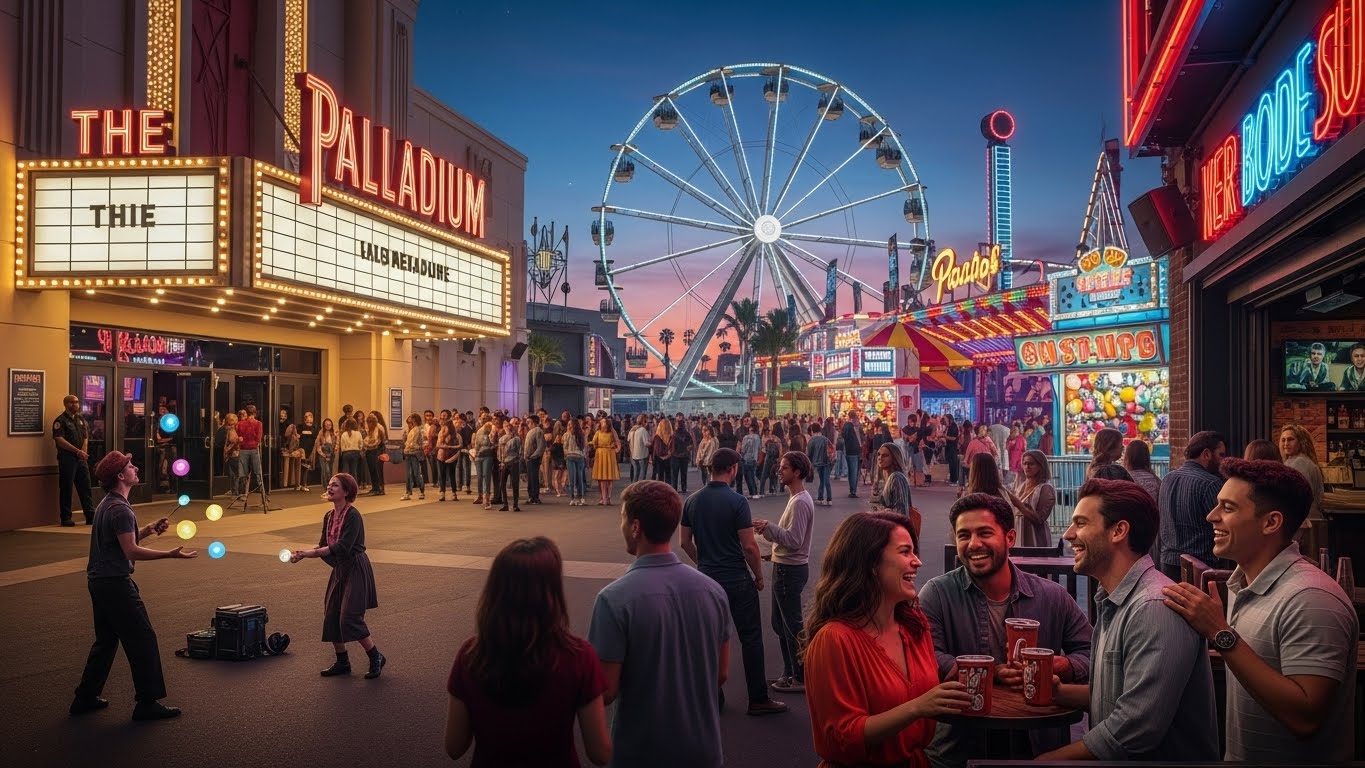
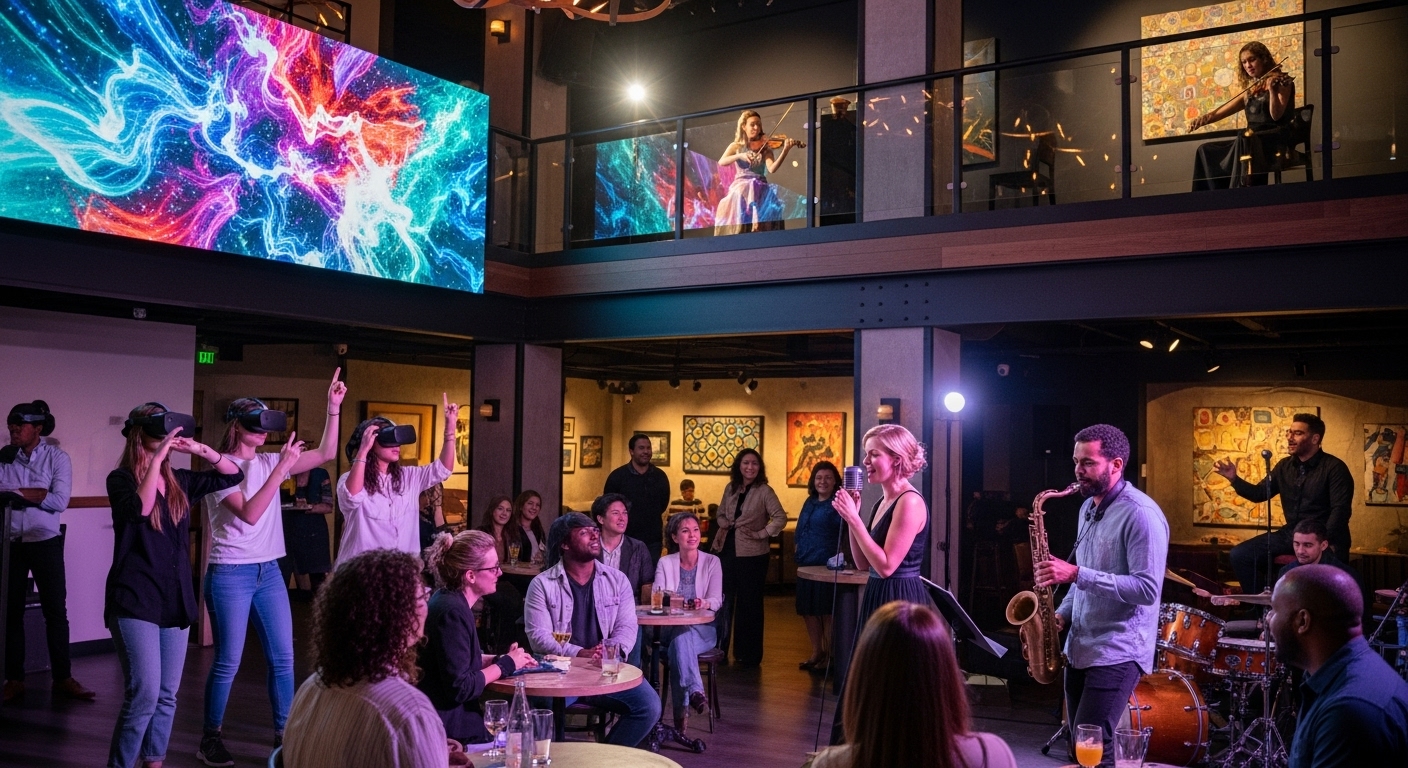
Entertainment is an essential part of human life, offering us a way to escape from the pressures of daily life, connect with others, and experience new worlds and emotions. Over the years, entertainment has evolved in countless ways, with new forms of media, content, and delivery methods emerging to meet the changing tastes and preferences of global audiences. Today, technology plays a leading role in shaping the entertainment industry, changing how we consume content, interact with it, and even create it ourselves. From streaming platforms to virtual reality, technology is driving the next wave of innovation in entertainment. In this post, we’ll explore how technology is changing the landscape of entertainment and what the future holds.
The Rise of Streaming: From Cable to On-Demand Content
One of the most significant shifts in entertainment over the past decade has been the rise of streaming platforms. The once-dominant television networks and cable services have slowly been replaced by services like Netflix, Hulu, Disney+, Amazon Prime Video, and Apple TV+, which offer on-demand access to vast libraries of movies, TV shows, and exclusive content. Streaming has completely altered the way audiences consume media, allowing them to watch what they want, when they want, and on their own devices.
This shift to on-demand viewing has come with many benefits for viewers. For one, it’s much more flexible. You no longer have to adjust your schedule to catch your favorite show at a specific time or rely on reruns. The “binge-watching” culture, in which viewers consume entire seasons or series in a single sitting, has also taken off thanks to the ability to access all episodes in a show at once.
The rise of streaming has also pushed networks and studios to rethink how they create and distribute content. Major platforms like Netflix and Amazon have invested heavily in original programming, from Stranger Things to The Marvelous Mrs. Maisel, and have succeeded in creating some of the most talked-about shows in recent years. This trend of original content creation has given rise to a new era of storytelling, where platforms prioritize quality over quantity and have more freedom to explore diverse narratives and formats.
Furthermore, streaming has made international content more accessible. Shows and films from different parts of the world can now reach global audiences. International hits like Money Heist (Spain) and Squid Game (South Korea) have proven that streaming platforms are not only catering to English-speaking markets but also opening doors for diverse voices and cultures. The global reach of streaming platforms is broadening the entertainment landscape, and audiences are increasingly embracing content from beyond their own borders.
Social Media and the Rise of Influencers
While streaming platforms have revolutionized how we watch TV and movies, social media has radically transformed the way we discover, share, and engage with entertainment. Platforms like Instagram, Twitter, YouTube, and TikTok have given rise to a new breed of entertainers: social media influencers. These influencers, often with little to no formal training or professional backing, have built massive audiences by creating content that resonates with their followers.
Social media influencers have become some of the most influential figures in entertainment. They create everything from makeup tutorials to unboxing videos to comedic skits, with their content reaching millions of viewers around the world. Some influencers have even transitioned to mainstream entertainment, launching successful careers in acting, music, and fashion. For example, YouTube stars like Lilly Singh and PewDiePie have expanded their influence beyond social media, while Instagram influencers like Kylie Jenner and Huda Kattan have become global brand ambassadors and business moguls.
This shift in how entertainment is created and consumed has had a profound impact on traditional media. Where TV shows and movies once required a formal production process involving agents, studios, and networks, social media has democratized content creation. Anyone with a smartphone and an idea can become an entertainer. Social media also allows for a more personal and interactive relationship between influencers and their followers, fostering a sense of community and engagement that traditional media often lacks.
Furthermore, social media has transformed the way fans engage with their favorite celebrities and content. Instead of waiting for press releases or scheduled interviews, fans can now interact directly with influencers and creators through comments, likes, and live-streaming platforms. This shift has made the entertainment experience feel more personal and real-time, allowing fans to get closer to the creators they admire.
Virtual Reality (VR) and Augmented Reality (AR): The New Frontier of Entertainment
Virtual reality (VR) and augmented reality (AR) are pushing the boundaries of entertainment, offering new ways to immerse audiences in interactive experiences. While both technologies are still in their early stages, they hold enormous potential to redefine how we engage with content and entertainment.
VR allows users to enter fully immersive digital worlds using headsets that track their movements. It’s been primarily used in gaming so far, with games like Beat Saber and Half-Life: Alyx showing off the immersive potential of VR. But the technology has far-reaching applications beyond gaming. Imagine being able to step inside a movie or TV show, interact with the environment, and explore different perspectives. Filmmakers and content creators are already experimenting with VR films, where viewers can control their viewpoint and explore the narrative in a way that traditional cinema doesn’t allow.
AR, on the other hand, overlays digital elements onto the real world. This technology has been most notably used in mobile apps like Pokémon GO, which lets players catch virtual creatures in the real world through their phone screens. However, AR’s potential extends far beyond gaming. For example, AR can be used to create interactive museum exhibits, enhance live concerts with virtual visuals, or even allow shoppers to try on clothes virtually through their smartphones.
Both VR and AR have the potential to revolutionize how we experience entertainment. As the technologies evolve and become more accessible, we could see the rise of entirely new genres of entertainment that blur the lines between the physical and digital worlds. From virtual concerts to immersive storytelling experiences, the future of VR and AR entertainment is filled with exciting possibilities.
Gaming: From Casual Play to Competitive Esports
Video games have long been a popular form of entertainment, but the rise of competitive gaming, or esports, has taken the gaming world to new heights. Esports has become a multi-billion-dollar industry, with professional players, teams, and leagues competing in high-stakes tournaments for large cash prizes. Games like League of Legends, Counter-Strike: Global Offensive, and Dota 2 have transformed from casual pastimes to global phenomena, with millions of viewers watching tournaments online and in stadiums.
Esports has become a mainstream form of entertainment in its own right, drawing parallels with traditional sports like football, basketball, and soccer. Esports tournaments are broadcast on major networks, and some competitions, such as The International (the annual Dota 2 championship), offer prize pools that exceed those of major sports events. In fact, esports is expected to surpass traditional sports in terms of viewership in the coming years, with the audience for competitive gaming continuing to grow rapidly across the globe.
Moreover, gaming itself has evolved from solitary play to a social, community-driven activity. Online multiplayer games allow players to connect with others across the world, making gaming a social experience rather than an isolated one. Streaming platforms like Twitch and YouTube Gaming have also allowed gamers to share their experiences with millions of fans, turning casual streamers into celebrities in their own right.
As technology continues to advance, we can expect even more innovation in the gaming industry. With the rise of cloud gaming and the development of more powerful gaming consoles and PCs, games will become more realistic, immersive, and accessible. Virtual and augmented reality will also have a major impact on the gaming world, creating entirely new ways to experience and interact with games.
The Impact of Artificial Intelligence on Content Creation
Artificial intelligence (AI) is increasingly playing a role in entertainment, both behind the scenes and in front of the audience. AI is being used in content creation, allowing for more personalized and dynamic entertainment experiences. For example, AI algorithms are used by streaming platforms like Netflix and Spotify to recommend content based on user preferences, viewing history, and engagement patterns. This has created a more tailored entertainment experience, where users are continually exposed to content that suits their individual tastes.
AI is also making waves in the world of video game design. Developers are using AI to create more sophisticated non-playable characters (NPCs) that react and adapt to player behavior, making games more dynamic and challenging. AI can also help generate content automatically, such as in procedural generation games like Minecraft or No Man’s Sky, where AI algorithms create entire worlds for players to explore.
In the future, AI could be used to create entire films, TV shows, or music albums autonomously. While this idea might sound futuristic, the technology is advancing quickly. AI has already been used to create realistic deepfake videos, for example, where an actor’s face is replaced with that of another person. While this technology raises ethical concerns, it also shows how AI can be used to enhance entertainment in new and creative ways.
Conclusion: The Future of Entertainment is Digital and Interactive
The entertainment industry is undergoing a profound transformation, with technology at the heart of this evolution. Streaming platforms are replacing traditional TV and cinema, social media is giving rise to new kinds of celebrities, and technologies like VR, AR, and AI are pushing the boundaries of how we engage with content. Gaming has become a global phenomenon, and esports is rapidly emerging as a mainstream form of entertainment.
As we look to the future, one thing is clear: the future of entertainment is digital, interactive, and immersive. Whether it’s through streaming, gaming, social media, or emerging technologies like VR and AI, the way we experience entertainment is being redefined. With each innovation, the possibilities for how we connect with stories, creators, and communities continue to expand, offering exciting new avenues for entertainment that we may not even be able to fully imagine yet.